

Supreme Court hears oral arguments in Hannah Payne appeal
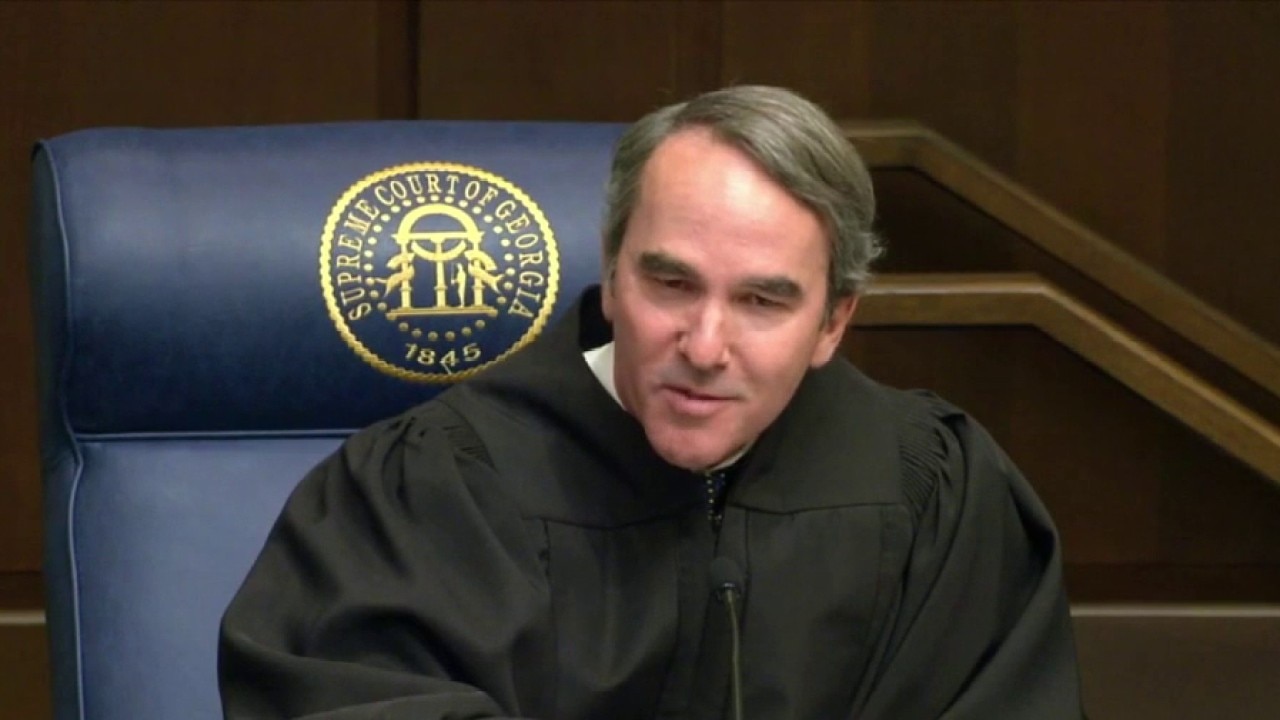
Hannah Payne appeals life sentence
The high-stakes legal battle over the 2019 shooting death of Kenneth Herring moved to the Georgia Supreme Court on Wednesday, March 18, 2026. Hannah Payne, now 25, is seeking to overturn her conviction and life sentence, arguing that her original trial team failed to properly frame her actions as a lawful attempt at a citizen’s arrest. The case has reignited a fierce debate over the limits of vigilante justice and the legal protections afforded to bystanders who intervene in suspected crimes.
ATLANTA - The Supreme Court of Georgia heard arguments Wednesday in the appeal of Hannah Payne, the woman convicted in the 2019 shooting death of Kenneth Herring after prosecutors said she chased him down following a traffic crash in Clayton County.
RELATED: Supreme Court hears oral arguments in Hannah Payne appeal
Payne was found guilty in 2023 of malice murder, felony murder, aggravated assault and other charges in Herring’s death. She was sentenced to life in prison with the possibility of parole, plus additional consecutive years. Prosecutors said Payne followed the 62-year-old after he left the scene of a crash, cut off his truck and then shot him after a confrontation.
What they're saying:
At trial, the state argued Payne was "playing cop" by going after a driver she was not directly involved with. Payne testified she believed Herring was impaired, stayed on the phone with 911 and was trying to help when the encounter turned violent. She claimed Herring grabbed her and that the gun went off during a struggle.
On appeal, Payne argues her trial lawyer was ineffective for failing to request jury instructions on citizen’s arrest and defense of others.
Her attorney, Andrew Fleischman, told the justices that trial counsel made "two serious legal mistakes" and said the missing instructions shaped the verdict because "even if they believed Hannah Payne's account," jurors could not acquit under the charges as explained to them. Fleischman argued Payne was trying to stop a suspected impaired driver and protect others, and said Georgia’s citizen’s arrest law, though repealed in 2021, should still have applied because the shooting happened in 2019.
The justices pressed Fleischman on whether the old law really gave Payne the right to follow Herring, block him in and confront him after he left the original crash scene. One justice asked whether Payne’s position was that the law allowed her to "follow the victim from the scene of this accident and detain him, confront him," while another asked if that meant a citizen could chase someone "for a mile, two miles, however many miles it takes, and block them in, detain them and confront them." Fleischman answered, "Yes, Your Honor, that's my take," while maintaining the jury should have been allowed to consider both citizen’s arrest and defense of others.
The other side:
Arguing for the state, Deborah Leslie urged the court to uphold Payne’s conviction and the denial of her motion for a new trial. Leslie said the evidence did not support either omitted jury instruction and told the justices, "The evidence showed that Ms. Payne was the aggressor. She used unreasonable force and fatally shot an unarmed, non-threatening motorist, Mr. Herring, after ignoring 911 directives." Leslie argued there was no lawful detention to support a citizen’s arrest instruction and no evidence of "an imminent threat of unlawful force against a third party" to support defense of others.
The court also appeared focused on whether Payne’s lawyer made a reasonable strategic choice at trial by pursuing self-defense and accident rather than risking what the state said would amount to conceding false imprisonment. At times, the justices sounded skeptical about that argument and questioned how the court could find no prejudice if it concluded the missing instructions should have been requested.
The hearing ended with an unexpected dispute over the trial court’s order denying Payne’s motion for new trial. One justice said the order contained "at least five citations to cases that don't exist" along with other citations and quotations that did not appear to support the points for which they were used. Leslie said, "No, Your Honor, I do not believe so, they were not," when asked whether those citations appeared in the version she submitted, adding, "I did prepare an order, that order was revised." The court said it would issue a briefing order directing the state on what needed to be supplemented.

RAW: Georgia Supreme Court hears Hannah Payne appeal
The Georgia Supreme Court heard oral arguments on Wednesday morning as part of the appeal in the Hannah Payne case. Payne was convicted in the 2019 shooting death of Kenneth Herring following a traffic crash.
What's next:
A decision is expected in the coming months.
The backstory:
The case stems from a May 2019 incident in Clayton County in which prosecutors said Hannah Payne followed 62-year-old Kenneth Herring after witnessing him leave the scene of a traffic crash. Authorities said Payne pursued Herring in her vehicle, eventually cutting him off on the roadway. What followed was a confrontation between the two that ended with Payne firing a gun, killing Herring.
Prosecutors argued at trial that Payne unnecessarily escalated the situation, accusing her of "playing cop" by chasing down a driver she was not directly involved with. They said Herring was unarmed and that Payne detained him before shooting him. The state maintained the evidence, including 911 calls and witness testimony, showed Payne’s actions went beyond any reasonable attempt to help and instead led to a deadly encounter.
Payne’s defense attorneys told jurors she was trying to assist after witnessing what she believed to be a hit-and-run involving an impaired driver. Payne testified that she stayed on the phone with a 911 dispatcher and followed Herring to provide updates on his location. She claimed the situation turned violent when Herring allegedly grabbed her and that the gun discharged during the struggle, arguing she acted in self-defense.