

What Georgia men should know about testicular cancer

Rare cancer rising in younger men
A 22-year-old survivor is sharing his journey through testicular cancer to break the stigma and prove that early detection can save both lives and future families.
NEWNAN, Ga. - A Georgia man is opening up about his decade-long journey surviving testicular cancer to encourage other men to prioritize their health and overcome the stigma of the disease.
Matthew Tyler’s diagnosis and recovery
What we know:
Matthew Tyler was 22 years old when he noticed discomfort and a small lump inside his testicle. Doctors at City of Hope in Newnan diagnosed him with stage one testicular cancer. Tyler underwent three rounds of grueling chemotherapy and had one testicle removed. Now at his 10-year survival mark, he is sharing his story to let others know they do not need to be ashamed. "It changed my perspective that you can get through anything with faith and God," Tyler said.
What we don't know:
It is unclear exactly why the rate of testicular cancer diagnoses is increasing among younger men. While Tyler was treated at City of Hope, officials have not released specific data regarding how many local cases they treat annually compared to national averages.
Understanding the risks for younger men
By the numbers:
Testicular cancer is considered rare, but it is the most common cancer for younger men. According to the American Cancer Society, the average age of diagnosis is 33.
- 1 in 250: The lifetime risk of a male developing testicular cancer.
- 20 to 40: The age range most commonly impacted by the disease.
- 10,000: The approximate number of men diagnosed with testicular cancer each year.
- 95%: The five-year survival rate when the cancer is treated correctly and early.
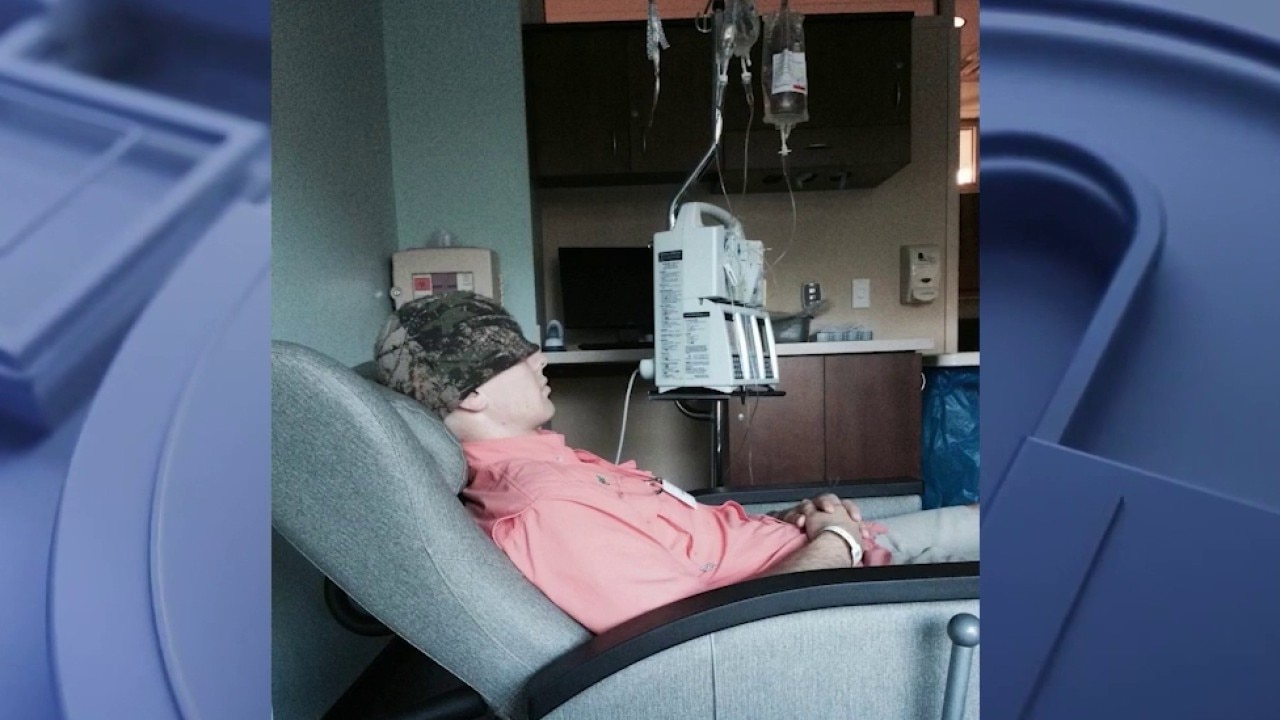
Overcoming rare cancer at age 22
Matthew Tyler was only 22 years old and a recent college graduate when he was diagnosed with stage one testicular cancer. Now he's telling the story of how he beat the rare diagnoses that affects about 10,000 men across the country annually.
Big picture view:
Medical experts emphasize that while the diagnosis is "shock, complete shock" for many, the high survival rate makes early detection critical. Dr. Kristin Higgins, a clinical officer at City of Hope, noted that the cancer has a very high survival rate when caught early, though the treatment process can be intense for patients.
Navigating fatherhood after cancer
The backstory:
One of the biggest hurdles Tyler faced was the threat to his future family. He was told there was a "high probability" he would not be able to have children naturally, citing a 40% chance of infertility. While doctors often suggest seeing a fertility specialist or using a sperm bank before starting treatment, Tyler was able to conceive naturally. He is now a father to a 6-year-old girl and has another child on the way.
What's next:
Health experts recommend that men perform regular self-exams to check for unusual lumps or discomfort. Tyler hopes his testimony will help the next person facing a similar diagnosis realize they can get through it. He continues to advocate for transparency regarding men's health issues to ensure early intervention.
The Source: The information in this story was gathered from an interview with cancer survivor Matthew Tyler, Dr. Kristin Higgins of City of Hope, and data provided by the American Cancer Society. FOX 5 Atlanta's Kevyn Stewart reported from City of Hope in Newnan.