

How wind and diet are helping invasive hornets spread across Georgia
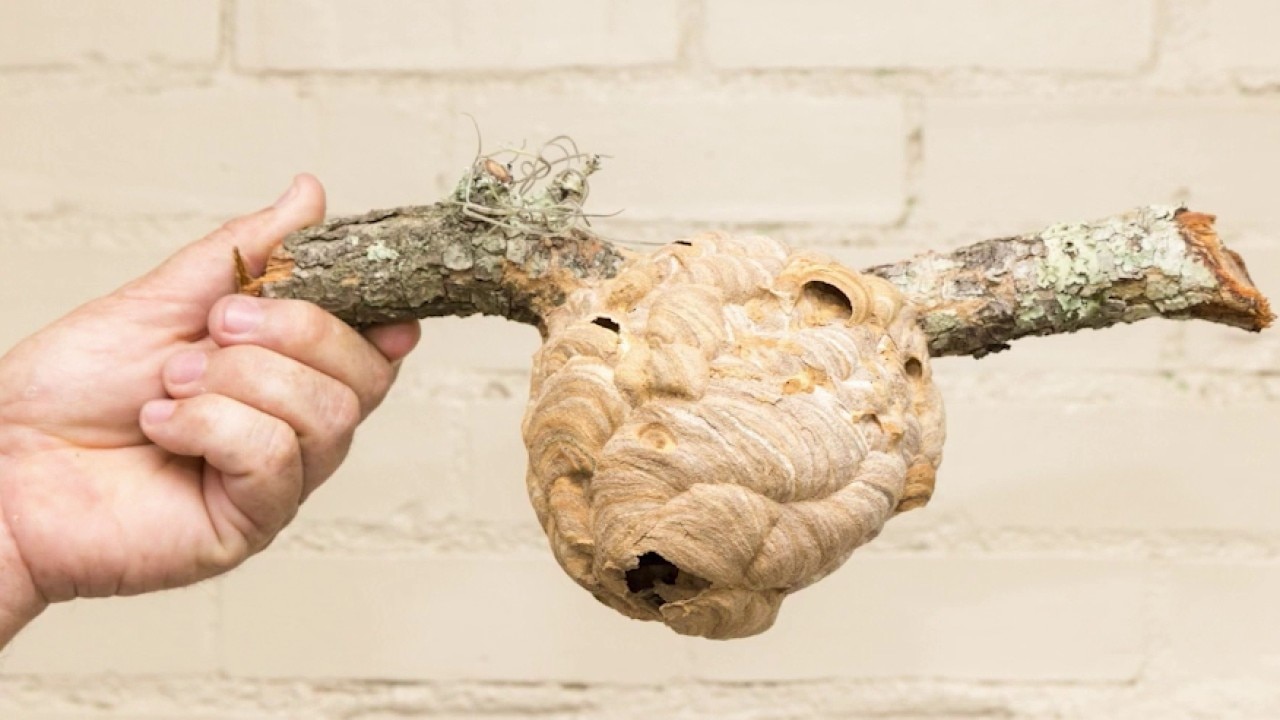
How you can defend against the invasive Yellow-Legged Hornet
An invasive hornet that preys on honeybees is spreading across parts of Georgia. UGA scientists like Dr. Jamie Ellis, Director of the UGA Bee Program, say the public could play a key role in stopping it.
ATHENS, Ga. - University of Georgia (UGA) researchers are gaining new ground in the fight against the invasive yellow-legged hornet, uncovering key insights into what the pest is eating and how coastal wind patterns are helping it spread across the state.
What we know:
Wind patterns along the southeastern coast may actually be helping push the invasive yellow-legged hornet, scientific name Vespa velutina, northward, according to UGA researchers.
The researchers added that the hornets will also hitch a ride on humans or cars, or naturally fly through the air.
New research findings from UGA confirm that yellow-legged hornets are preying on a far wider range of insects than previously understood. While they heavily target honeybees, the invasive hornets are also preying on other vital pollinators and native insects that provide natural pest control.
UGA scientists stated that the non-native and invasive hornet was first confirmed in Georgia in August 2023. It has since spread along the Southeast coast.
The insects, native to Asia, grow to about an inch long, featuring dark bodies with distinctive yellow lower legs.
That first sighting from a concerned local beekeeper sparked a statewide response. Researchers are even collaborating internationally since the hornet is impacting multiple continents.
Why you should care:
Scientists have found that the hornets pose a threat to honeybees and other beneficial pollinators to Georgia's agriculture. However, honeybees have developed defenses to evade attacks.
According to UGA, the Peach State dominates the U.S. agriculture market, ranking top in production for several crops. The Georgia Department of Agriculture states that agriculture is the state's main economic driver, and it's imperative that the invasive pests are tracked and destroyed.
What they're saying:
Highlighting the severity of the pest, Dr. Jamie Ellis, Director of the UGA Bee Program, explained how targeted the hornet's hunting behavior really is.
"This is a particular hornet species that is native to Asia, that has a really big appetite. And one of the key things that it likes to eat happens to be the honey bee that we all love... It will actually hover at the nest entrance, capture bees coming in and out," he said.
Timing is critical when it comes to stopping the hornet's spread, Dr. Ellis emphasized, noting that unreported nests pose a severe long-term risk if left unchecked through the warmer months.
"First of all, do not fail to report it, because one of the things that can happen if you fail to report it is as this colony grows throughout summer and into fall, it starts issuing next year’s queens," Dr. Ellis warned. "If you don’t report on this, and it happens to be a yellow-legged hornet nest, they can put out dozens of queens that next year will create their own nest."
Pointing to how other regions have struggled with the pest, Dr. Ellis underscored why Georgia must focus heavily on total eradication before the population permanently establishes itself.
"One of the most alarming things that we see about this hornet is it’s been present in Europe over a decade, and there still are no great control measures," Dr. Ellis said. "Eradicating the nest is the first line of defense. If these things are ever recognized as established, then we’re going to have to pivot to control measures that, again, in Europe, they’ve been very slow to develop."
What we don't know:
It is unclear exactly how far north or inland the hornets have spread.
While wind patterns may help push populations northward, the specific long-term trajectory or exact boundaries of their predicted spread are unknown.
The exact damage to local pollinator populations or native pest-control insects over time is still being studied.
Scientists did not specify how successful honeybees' defenses are in preventing population declines.
It's unclear how long it will take to contain the invasive hornets and if complete eradication is possible. However, reporting a hornet goes a long way.
What you can do:
The Georgia Department of Agriculture urges the public to exercise caution if they encounter a suspected hornet nest.
Residents are encouraged to snap a photo from a safe distance and submit it through the state's online reporting tool, even if they are not 100% sure of the insect's identity.
Identification guides and other resources are also available through county UGA Cooperative Extension offices.
The Source: The information in this story comes from the University of Georgia, the Georgia Department of Agriculture, and an interview from the