

Jury to decide Heather Turner’s manner of death in 2027
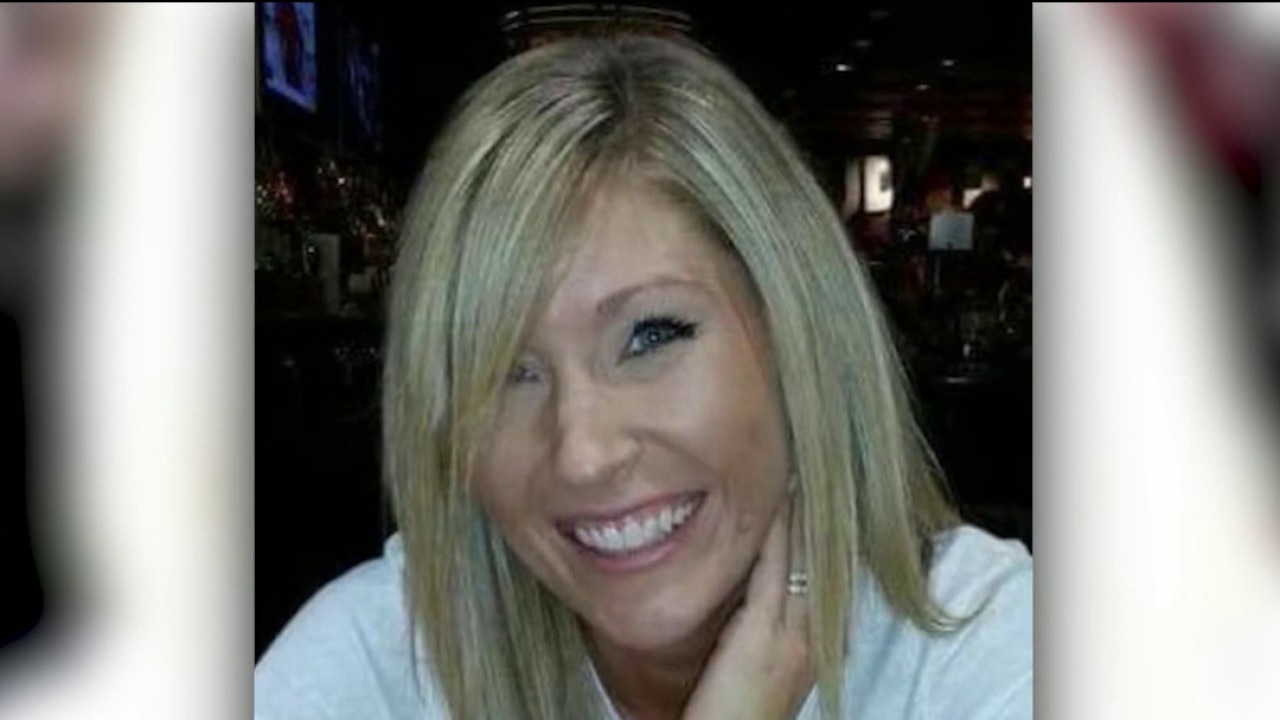
Five jurors to determine Heather Turner's manner of death
Paulding County Coroner Lindsay Eberhart Fuller ordered a coroner's inquest for January 2027 to examine the 2017 death of Heather Turner.
PAULDING COUNTY, Ga. - The Paulding County coroner has called for a coroner's inquest into the 2017 death of Heather Turner to bring clarity to the long-disputed case.
Paulding County death investigation
What we know:
Paulding County Coroner Lindsey Eberhart Fuller held a news conference on Thursday to discuss her decision to review the 2017 death of Heather Turner and announce details regarding an upcoming coroner's inquest.
Turner's husband, Andy Turner, found her inside the couple's Paulding County home on May 4, 2017, with a gunshot wound to the head. The case remained unresolved for years before the Paulding County Sheriff's Office announced in February that investigators had closed their investigation and determined Turner's death was a suicide.
Despite that conclusion, Fuller has said she is not prepared to support changing Turner's death certificate from undetermined to suicide.
"Heather Turner was more than how she died. She was not a headline. She was not a case file. She was not a case to close. She was a person," Fuller said during Thursday's press conference.
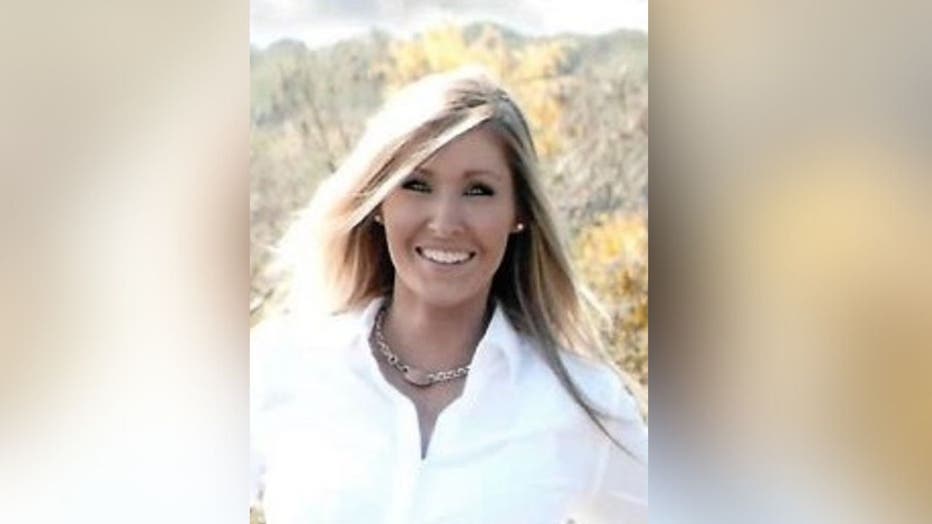
Heather Turner (Source: Clark Funeral Home)
To resolve the matter, Fuller announced that the inquest is set for January 2027 in the jury assembly room at the Paulding County Courthouse, noting she blocked off significant time to ensure jurors are not rushed.
Five jurors and one alternate will be selected through the court system to evaluate case materials, examine evidence, and hear sworn testimony.
Emphasizing the importance of an impartial process, Fuller stated that she has no predetermined outcome, does not assume a specific manner of death, and will accept and follow whatever verdict the jury returns.
"I was not entrusted with this office to borrow someone else's judgment. I was entrusted with it to exercise my own responsibility," Fuller added regarding her decision to convene the jury. "That is not a criticism of another agency. It is an acknowledgment that each of us has different responsibilities within the death investigation process, and I am accountable for mine."
Family reacts
What they're saying:
"For nearly a decade Heather Turner's death has been discussed publicly, analyzed in pieces and viewed through competing opinions," Fuller said.
"The sheriff's office still stands by our original decision. If there was someone to arrest it would have happened long before now," said Jordan Yuodis with the Paulding County Sheriff's Office.
Fuller noted the inquest is not a criticism of any agency, stating, "I can't promise closure to Heather's family. What I can promise is clarity through a fair and lawful process."
Heather Turner's family supports the decision, stating, "Our family will continue seeking the truth, not out of anger, but out of love for Heather."
The other side:
Her husband, Andy Turner, released the following statement on Friday:
"Our family is deeply disappointed in Lindsey Eberhart Fuller—not only because of her decision to pursue this inquest, but because of the continued incompetence she has demonstrated in carrying out the responsibilities of the office to which she was elected.
"Her initial report contained crucial mistakes that had serious consequences. Those mistakes fueled social-media speculation and resulted in brutal bullying directed toward our family. When the findings of a medical doctor, the GBI, the special task force, the Sheriff’s Department, and other trained professionals contradicted her conclusions, instead of accepting the findings of the experts who actually have the training and expertise to investigate these matters, she chose to challenge them.
"That is deeply concerning.
"The larger problem is with the position itself. In our state, someone can have virtually no medical, forensic, or investigative qualifications and still be elected coroner. That should not be acceptable. The coroner’s office carries enormous responsibility, and there should be minimum qualifications, education, certification, and ongoing training required before someone is entrusted with making findings that can have life-changing consequences for families.
"In our case, we witnessed what we believe was a shocking lack of basic competency. The coroner did not initially identify which side of the head contained the entrance wound—something that should be fundamental to properly documenting a death scene. She also failed to recognize the stippling on the wall when she first entered the home. Had she properly examined the surrounding scene and recognized the same evidence elsewhere in the house, some of the statements and conclusions that followed could have been avoided.
"This is not simply about someone making an honest mistake. The problem is what happened after those mistakes were identified.
"Her stated position is that it is her duty to report what she saw and allow the experts to conduct the investigation. We agree that experts should investigate. And they did. Medical professionals, forensic experts, detectives, the GBI, the special task force, and the Sheriff’s Department have all conducted their work and reached findings that contradict the conclusions initially presented by the coroner.
"At some point, an elected official has to recognize when the professionals with the appropriate training and expertise have established that their original conclusions were wrong.
"Instead, we believe this has continued because the coroner was publicly challenged about the accuracy of her work and is unwilling to accept that she made serious mistakes. The continued pursuit of this matter has created additional attention, expense, and turmoil for a family that has already endured more than anyone should have to endure.
"Meanwhile, our family has had to deal with the consequences of social-media attention, including bullying, death threats, vandalism, property damage, and genuine concerns for our safety.
"That is not something we take lightly.
"When an elected official’s actions and public statements contribute to an environment in which a grieving family becomes the target of harassment and threats, there must be accountability. The office cannot become about defending one’s reputation or proving a point. It has to be about getting the facts right and doing what is best for the families involved.
"This entire situation has exposed a serious problem that goes far beyond one individual.
"The office of coroner needs stronger regulations and meaningful qualifications.
"We should not have a system where someone can be elected coroner without the education, medical knowledge, forensic training, and investigative competency necessary to perform this job properly. The consequences of incompetence in this position are far too serious.
"A coroner should not have to learn the fundamentals of death-scene investigation after being elected to the position. The public deserves better. Families deserve better. And our county deserves a coroner who is properly qualified to do the job.
"Our family is not asking for special treatment. We are asking for accountability, competence, and reform.
"Because when incompetence in an elected office can contribute to misinformation, public harassment, threats, and additional trauma for an already devastated family, the system itself needs to change.
"In conclusion, this boils down to the self-absorption she is gaining from social media for personal and political gain at the expense of our family.
"Our last concern for the inquest is , with all the media it’s impossible to find any jury member here who hasn’t heard the negative comments generated due to the errors caused in the initial report, this inquest should be moved far from here."
Why the coroner is taking another look
The backstory:
Fuller was among the officials who responded to the Turner home in 2017.
Her initial observations included questions about a missing bullet and an area of a wall that appeared to have been washed. An autopsy later located the projectile.
The medical examiner initially classified Turner's manner of death as undetermined but later changed that determination to suicide following a meeting in January.
Timeline: The death of Heather Turner and the investigation
Fuller has said she was not included in key meetings surrounding that change and argued that later forensic findings do not erase observations made when the death was first investigated.
"Based on the information reviewed to date, I am not prepared to initiate or support an amendment of Heather Turner's death certificate from undetermined to suicide," Fuller previously said.
Sheriff's office closed its investigation
Local perspective:
The Paulding County Sheriff's Office announced Feb. 20 that it had closed its investigation after reviewing the case with the Georgia Bureau of Investigation, medical examiners and local prosecutors.
Investigators publicly presented evidence supporting their conclusion that Turner died by suicide, including portions of the original coroner's report.
But the disagreement over Turner's official manner of death did not end there.
About two weeks ago, Fuller announced she would convene a coroner's inquest, creating a formal process for another review of the evidence.
What is a coroner's inquest?
Dig deeper:
A coroner's inquest is not a criminal trial and does not determine whether someone should be prosecuted.
Instead, a civil jury hears sworn testimony, examines evidence and reaches its own determination about the manner and circumstances surrounding a person's death.
"A coroner's inquest is not a criminal prosecution and is not conducted to accuse, indict, establish guilt, or imply the criminal responsibility of any person," Fuller previously said. "Its purpose is to allow an inquest jury to hear sworn testimony, consider the relevant evidence, and determine the manner and circumstances of Heather Turner's death."
Under Georgia law, a coroner's inquest can not be legally impaneled until the official law enforcement investigation has formally completed and closed. Once closed in February, Fuller exercised her discretion to call the inquest.
The sheriff's office has said it will cooperate with the coroner as the process moves forward.
Previous stories
- Forensics vs. rumors: Inside the final ruling of the Heather Turner cold case
- Heather Turner 2017 death: Paulding County DA promises future updates
What we don't know:
It's unclear the exact day, in January 2027, the inquest will happen and when it will conclude. Fuller stressed that this was a complex case that has gone on for nine years, and that there were a lot of pieces of information with the case for the jury to review.
The full witness list or specific evidence that will be submitted to the jury is unknown, as Fuller declined to preview specific evidence to protect the integrity of the upcoming proceeding.
The Source: The information in this story came from previous FOX 5 Atlanta reports, a letter and news conference from Paulding County Coroner Lindsey Eberhart Fuller. This story has been updated since it was originally published.