

Cedartown donkey shooting: Attorneys vow to continue fight
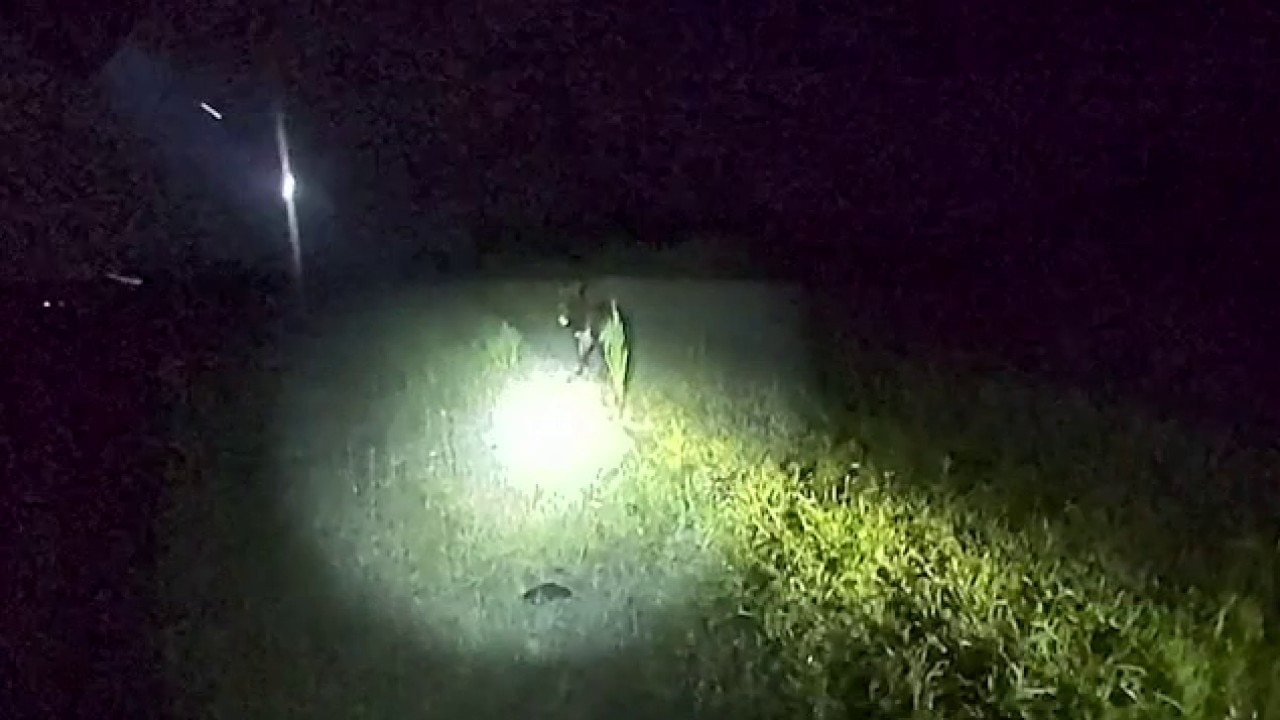
Attorneys speak out about donkey shooting
Attorneys representing the owner of a donkey shot and killed by a police officer in Polk County say they will continue pursuing a civil lawsuit despite reports that the officer has been cleared of criminal charges.
CEDARTOWN, Ga. - Attorneys representing the owner of a miniature donkey shot and killed by a Cedartown police officer are fighting an attempt to dismiss their federal lawsuit, arguing that body-camera footage shows the animal posed no immediate threat before the officer opened fire.
What we know:
In a 20-page filing submitted this week, attorneys for Hannah Israel contend Officer Trenton Garner fired without warning at HeeHaw, a 15-month-old miniature donkey, while another officer stood nearby. The filing also alleges that Garner initially responded, "I dunno," when asked why or where he had fired.
The latest filing comes after reports that the Tallapoosa Judicial Circuit district attorney cleared Garner of criminal charges in connection with the August shooting. Israel's attorneys say they have not received official documentation confirming that determination.
Garner is seeking to have the civil lawsuit dismissed, arguing that he is entitled to qualified immunity. Israel's attorneys maintain the shooting violated her constitutional rights and are asking a federal judge to allow the case to proceed.
The backstory:
The shooting happened Aug. 30 at Ellsbury Riding and Farm in Rockmart, where Garner and other officers entered a fenced pasture late at night.
According to the lawsuit, officers entered the property with flashlights and a leashed police dog without a warrant or contacting Israel.
HeeHaw was a miniature Mediterranean donkey, approximately 15 months old, 30 inches tall and weighing about 100 pounds.
The filing describes him as a gentle, bottle-raised animal who was accustomed to people. He interacted with children at the property's petting zoo and visited nursing homes.
Israel's attorneys say HeeHaw had never bitten, kicked, charged or injured a person or another animal.
The lawsuit also alleges that Cedartown officers were familiar with livestock from the property and had previously contacted Israel when her animals escaped.
Body-camera footage details moments before shooting
The new court filing provides a second-by-second account of the shooting based on body-camera footage.
According to Israel's attorneys, HeeHaw first appeared in the officers' flashlight beams at approximately 12:10:22 a.m.
Four seconds later, the donkey was standing with his head raised and ears forward, looking toward the officers.
The attorneys say HeeHaw then began approaching the officers, taking several quick steps in their direction.
They contend the donkey displayed none of the typical signs of aggression, such as pinning his ears back, lowering his head, baring his teeth, kicking or rearing.
The filing states that an officer closest to HeeHaw stepped aside without drawing his weapon.
Garner, however, allegedly raised his handgun, turned it sideways and held his aim for approximately two seconds before firing at 12:10:28 a.m.
The attorneys argue that Garner had time to recognize that the donkey was not attacking and could have shouted a warning or stepped aside.
They also contend that other officers were standing within a few feet of HeeHaw, in or near Garner's line of fire.
The descriptions of the footage are allegations presented by Israel's legal team as part of its opposition to Garner's motion to dismiss.
Officer allegedly said 'I dunno' after shooting
What they're saying:
One of the most significant details in the filing concerns Garner's alleged explanation immediately after the shooting.
According to the attorneys, Garner had not activated his body camera before firing. The shooting was captured by the camera's silent 30-second preactivation buffer.
Garner activated the camera approximately 12 seconds after the gunshot.
The filing states that another officer then asked Garner why or where he had fired.
Garner allegedly responded, "I dunno."
Moments later, according to the filing, Garner said the donkey "was trying to attack us."
Israel's attorneys contend Garner's explanation subsequently changed to a claim that he was protecting a fellow officer.
They argue the differing explanations raise questions about whether the shooting was justified.
The attorneys also maintain that the officer closest to HeeHaw did not appear to perceive an immediate threat because he stepped aside without drawing his weapon.
Owner and child reportedly found HeeHaw dead
The filing also provides new details about what happened after the gunshot.
According to Israel's attorneys, HeeHaw turned away from the officers and walked off after being shot.
The lawsuit alleges that none of the officers checked on the animal, provided assistance or told Israel where he was.
Instead, Israel and a child searched the pasture in the middle of the night and discovered HeeHaw dead.
Garner was placed on administrative leave following the shooting.
The incident prompted public controversy, the release of body-camera footage and legal action by HeeHaw's owner.
Attorneys argue shooting violated Fourth Amendment
The central legal dispute concerns whether Garner's actions violated Israel's constitutional rights and whether the officer is protected by qualified immunity.
In their filing, Israel's attorneys cite a June 2024 decision by the 11th U.S. Circuit Court of Appeals in Plowright v. Miami-Dade County.
That ruling established that an officer's use of deadly force against a domestic animal constitutes a seizure of its owner's property under the Fourth Amendment.
The court also held that officers may not use deadly force against domestic animals unless they reasonably believe the animals pose an imminent threat to themselves or others.
Israel's attorneys argue the precedent was established more than two years before Garner shot HeeHaw.
They also challenge Garner's argument that existing case law does not clearly establish the same protections for livestock.
According to the filing, Garner's attorneys contend that no binding court decision specifically addresses the use of deadly force against livestock.
Israel's attorneys maintain the constitutional protection applies to domestic animals generally, regardless of species.
They argue that a donkey approaching officers in its own pasture, without displaying aggressive behavior, does not automatically justify deadly force.
The filing also contends that Garner's failure to activate his body camera before the shooting is significant because the recording does not contain audio of any warning.
The lawsuit seeks damages, including punitive damages, based on allegations that Garner acted with reckless and callous indifference.
Attorneys vow to continue fight despite reported criminal decision
The new filing follows reports that the Tallapoosa Judicial Circuit district attorney determined Garner would not face criminal prosecution.
Israel's attorneys have questioned that reported decision, saying they have not received official documentation confirming it.
Attorney Chris McCormick, who represents Israel, previously criticized the shooting in a written statement.
"There was simply no justification for HeeHaw to be killed. There's no universe in which he posed any danger whatsoever. Our battle for accountability will continue."
The civil lawsuit is separate from any criminal investigation.
A prosecutor's decision not to file criminal charges does not prevent an injured party from pursuing a civil claim, which is evaluated under different legal standards.
The federal lawsuit names Garner in his individual capacity.
What's next:
The case is pending in the U.S. District Court for the Northern District of Georgia, Rome Division.
Israel's attorneys are asking the judge to deny Garner's renewed motion to dismiss and allow the lawsuit to continue.
Garner's defense maintains that qualified immunity protects him from the civil claim.
The court has not ruled on the latest motion.
The filing does not establish that Garner violated the Constitution. The factual allegations and competing legal arguments remain subject to judicial review.
It also remains unclear whether the district attorney has issued a formal public statement explaining the reported decision not to pursue criminal charges.
PREVIOUS STORIES