

Why Monarchs are staying in the south, and how you can help
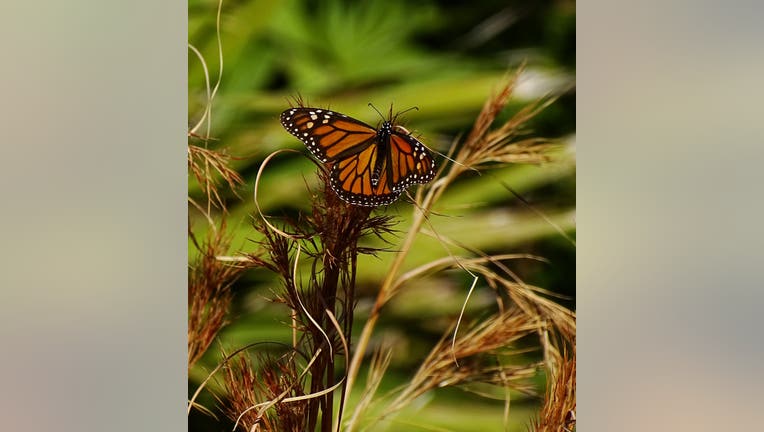
Courtesy of Georgia Department of Natural Resources
SOCIAL CIRLCE, Ga. - Butterfly enthusiasts are on the lookout for monarch butterflies now through March as the colorful insects move into warmer parts of the Southeast, and they need help spotting them.
What we know:
Researchers across the region say winter sightings are important because not all monarchs migrate to Mexico like most people expect. Some stay in the Deep South during the cold months, either resting or even laying eggs. Scientists want to understand why that happens and how it affects the species’ long-term health.
The project, called Monarchs Overwintering in the Southeastern States or MOVERS, is asking residents in Georgia, the Carolinas, Florida, Alabama, Mississippi, Louisiana and Texas to report any monarchs they see. That includes adult butterflies, eggs, caterpillars and chrysalises.
What they're saying:
Dr. Sonia Altizer, a University of Georgia ecology professor and director of Project Monarch Health, said each sighting helps answer a bigger question. She said the reports can reveal whether monarchs "can overwinter as non-breeding adults in the southern U.S. and how this might affect future population numbers." They can also show whether winter breeding changes their spring migration pattern.
Researchers have already seen signs that monarchs behave differently in the Southeast. "Our research shows that monarchs in the Southeast don’t always follow the same behavior patterns of other monarchs," said Dr. Michael Kendrick with South Carolina DNR. He said more monitoring can guide future conservation plans.
SEE ALSO: How Rosalynn Carter fought to keep the monarch butterfly alive in Georgia
The butterfly is listed as a species of greatest conservation need in many states, including Georgia and North Carolina. "So monitoring overwintering populations and learning more about their behavior is critical," said Gabriela Garrison of the North Carolina Wildlife Resources Commission.
Susan Meyers of Monarchs Across Georgia said anyone can take part. "If you enjoy being outdoors and exploring your local ecosystem, this is an easy activity that can be done alone or with friends or your family," Meyers said.
What you can do:
Reporting a sighting is simple. Volunteers can upload photos and notes online through Journey North or the iNaturalist app. Details about what the butterfly is doing, such as resting, flying or drinking nectar, help scientists better understand its status. Checking milkweed plants for eggs and caterpillars is also encouraged.
Nearly 850 sightings were reported last winter, a number that researchers hope will continue to grow. "When we come together as a community as we have here, we stand a better chance of protecting the monarch butterfly for future generations," said Anna Yellin, a wildlife biologist with Georgia DNR.
To learn more about how you can help track the beautiful butterflies, join Journey North or iNaturalist online.
The Source: The Georgia Department of Natural Resources provided the details for this article.