

Tomato sticker shock: Here's how much prices have climbed
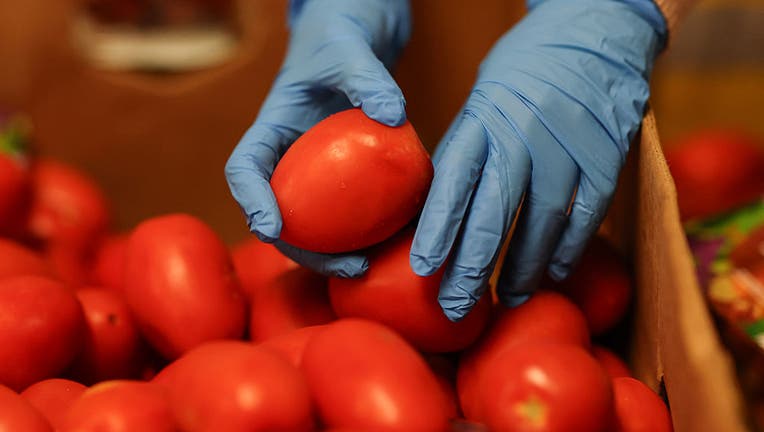
(Robert Gauthier/Los Angeles Times via Getty Images)
Tomato prices have jumped 40% over the past year — outpacing every other major food category — as trade policy, Middle East conflict and poor growing conditions converge to squeeze consumers.
What they're saying:
"The tomato has become a symbol of something much deeper," says Isaac Bernal Carbajo, a New York City chef who lamented life's "simplest pleasures" falling victim to price increases. "Something as basic as buying fresh vegetables is starting to become a serious financial decision for many families."
RELATED: No kids, more dogs, and family-style platters: Welcome to the future of dining
By the numbers:
Tomato prices are up about 40% over a year ago, according to the latest Consumer Price Index, dwarfing increases for other groceries, including coffee (up 18.5%), beef roasts (up 17.8%) and frozen fish and seafood (up 12%), among other products that have become symbols of America’s affordability squeeze.
A separate inflation gauge released Thursday showed that overall prices increased 3.8% in April from a year earlier, the highest reading in nearly three years.
RELATED: Diet change tied to ‘younger’ biological age in older adults after 4 weeks
Dig deeper:
Alongside crop yields, experts blame price increases for tomatoes, in part, on two pillars of President Donald Trump’s second-term policies: the Iran war and tariffs. The war spiked gas prices and increased shipping costs. Meantime, the U.S. withdrew from a deal allowing duty-free imports of tomatoes from Mexico, which grows most of America's supply.
American tomato farmers cheered the withdrawal from the tomato deal last July, saying it would help rebuild their shrinking industry. But for consumers, it's been painful. Though the U.S. withdrew from the Mexico tomato deal in July, it took time to see the impact in the produce aisle, with more imports in late winter and early spring.
RELATED: PepsiCo expected to increase prices on small chip bags, report says
When the tomatoes arrived, they were slapped with a 17% tariff.
U.S. tariffs collected on tomatoes ballooned from just $16,424 in 2024 to nearly $4.6 million, according to federal data, a staggering 27,879% increase.
Inflation rising
Dig deeper:
Inflation jumped to 3.8% in April compared with a year ago, the Commerce Department said Thursday, up from 3.5% in March and the highest since May 2023. On a monthly basis, prices rose 0.4%, down from the 0.7% jump in March but still higher than the inflation-fighters at the Federal Reserve would prefer.
Thursday’s inflation report also showed that in addition to gasoline, prices for groceries, clothing and electricity are also on the rise, indicating that inflation may be growing more entrenched. Inflation is notably above the Federal Reserve’s target of 2%, which means Fed policymakers may decide to forego any cuts to their key short-term interest rate this year. Some officials have signaled that the central bank’s most substantial move under new Fed Chair Kevin Warsh could be a rate hike, rather than a cut.

Iran war triggers three-year high in US inflation
LiveNOW’s Andy Mac is speaking with Heather Long, chief economist at Navy Federal Credit Union, as consumers wonder what types of long-term impacts are going to come from the recent rise in inflation.
The U.S. economy grew at a modest 1.6% annual pace from January through March, according to a separate report from the Commerce Department Thursday. The country’s gross domestic product — the nation’s output of goods and services — rebounded from a lackluster 0.5% expansion the last quarter of 2025 when growth was hobbled by the 43-day federal government shutdown.
Growth in consumer spending, which accounts for two-thirds of U.S. economic activity, slowed to 1.4% in the first quarter from 1.9% at the end of 2025 and was down from the 1.6% preliminary first-quarter estimate. But business investment, likely driven by spending on artificial intelligence, rose at a 7% pace.
The Source: The Associated Press contributed to this report. The story is based on a combination of government economic data, trade statistics and expert interviews. Tomato price increases were drawn from the latest Consumer Price Index (CPI) data, while broader inflation figures and economic growth data came from the Commerce Department. This story was reported from Los Angeles.