

Georgia families cut food spending, take extra work to afford housing
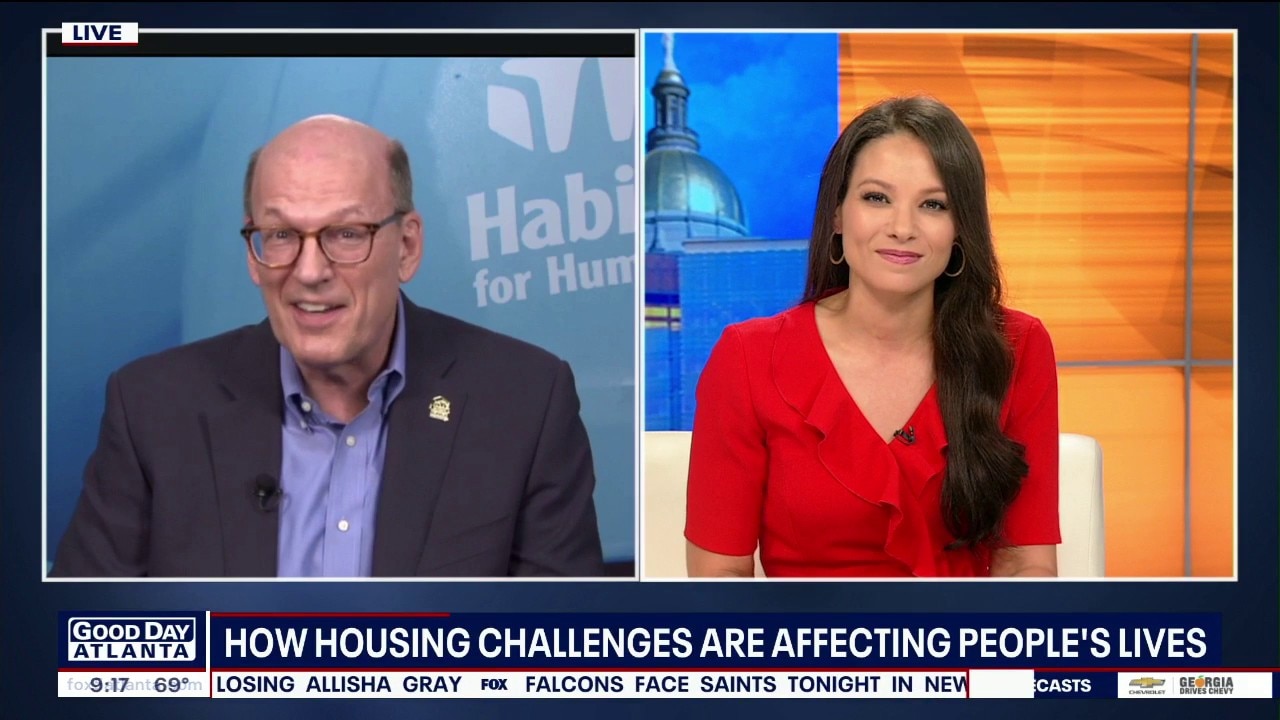
Atlanta families sacrifice food to cover rising rent
A Habitat for Humanity survey across 22 countries reveals that a third of families have cut back on food security to make housing payments.
ATLANTA - Spending less on groceries. Taking on more work. Pulling money from emergency savings. Families are making difficult trade-offs to keep a roof over their heads, according to new research from Habitat for Humanity International.
The report, "Home at What Cost?," found that 75% of respondents across 22 countries had cut back on at least one expense in the past year to afford housing. The sacrifices extend beyond household budgets, affecting health, financial security and plans for the future.
What families are giving up
What they found:
The survey found 33% of respondents spent less on food or groceries to cover housing costs, while 32% used savings or emergency funds. Another 31% took on additional work.
Even medical care is being pushed aside: 13% reported delaying or avoiding care to afford their homes.
Despite those sacrifices, 48% said one unexpected problem could threaten their ability to stay housed.
Habitat CEO Jonathan Reckford said rising housing costs leave families with less money to save, making an unexpected expense harder to absorb. The pressure can turn what should be a source of stability into a source of anxiety.
How the pressure reaches Atlanta and Georgia
The findings reflect concerns facing families in Atlanta and across Georgia, although the figures cited here cover the international survey and should not be read as local percentages.
Reckford said he has seen middle-class families in Atlanta struggling with whether their children can afford housing. That concern is bringing housing affordability higher on the community’s agenda.
For renters trying to become homeowners, the challenge is twofold: paying the rent while saving enough for a down payment. Reckford said families spending a large share of their income on housing have little left to build those savings.
Homeownership feels out of reach
Among U.S. respondents who did not own a home, 42% said they did not expect to become homeowners at any point in their lives.
The concerns also extend to the next generation. Globally, 58% of parents and guardians said housing costs were limiting opportunities for their children.
Reckford said homeownership has helped many low- and moderate-income families build long-term savings and assets they can pass to their children. High housing costs make that path harder to follow.
What could help
Reckford said Atlanta and Georgia can address affordability through a combination of government action, private construction and community involvement.
He pointed to faster local building approvals, making land available for housing and expanding financing through state and federal efforts. Businesses can help increase the supply of homes, while nonprofit organizations can ensure residents have a voice in decisions affecting their communities.
The survey gathered responses from 30,758 people between April 10 and June 30. The full report and information about getting involved are available at Habitat for Humanity’s website.