

Federal probe details cause of Conyers BioLab chemical fire
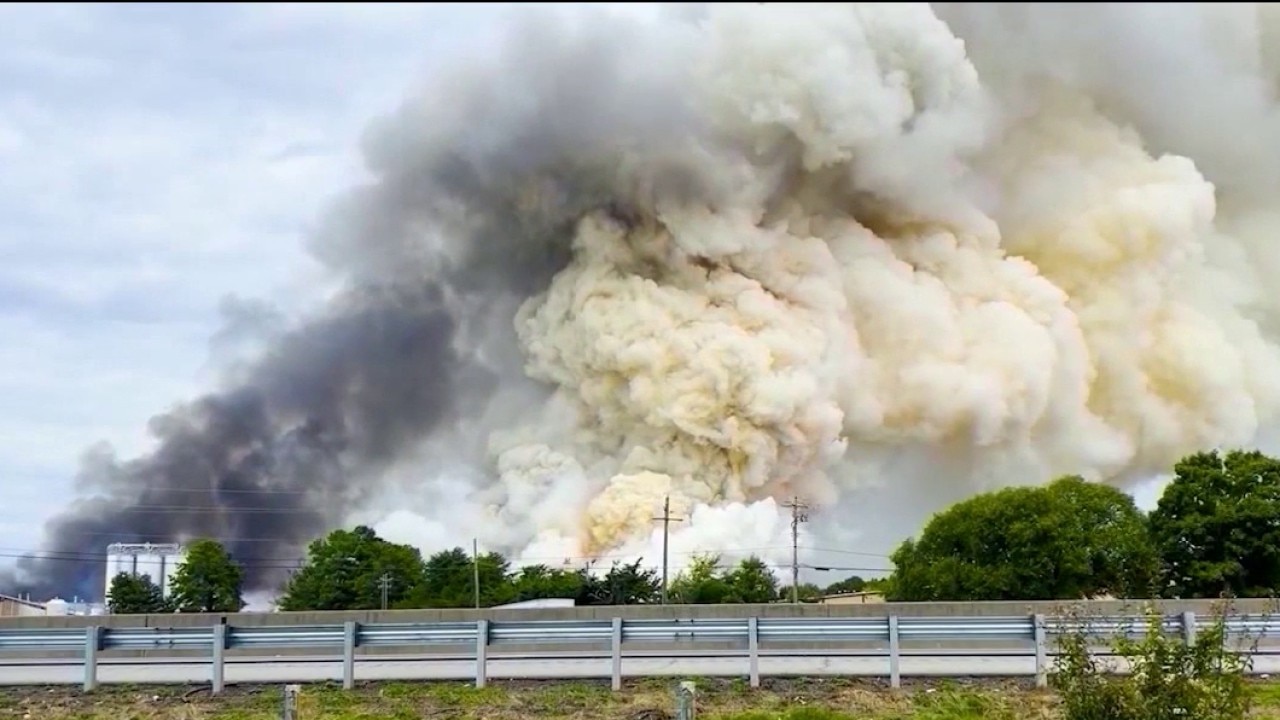
CSB releases final report on BioLab fire in Conyers
Federal investigators concluded Wednesday that a preventable sprinkler leak dripping onto overstocked pool chemicals triggered the catastrophic BioLab fire in Conyers.
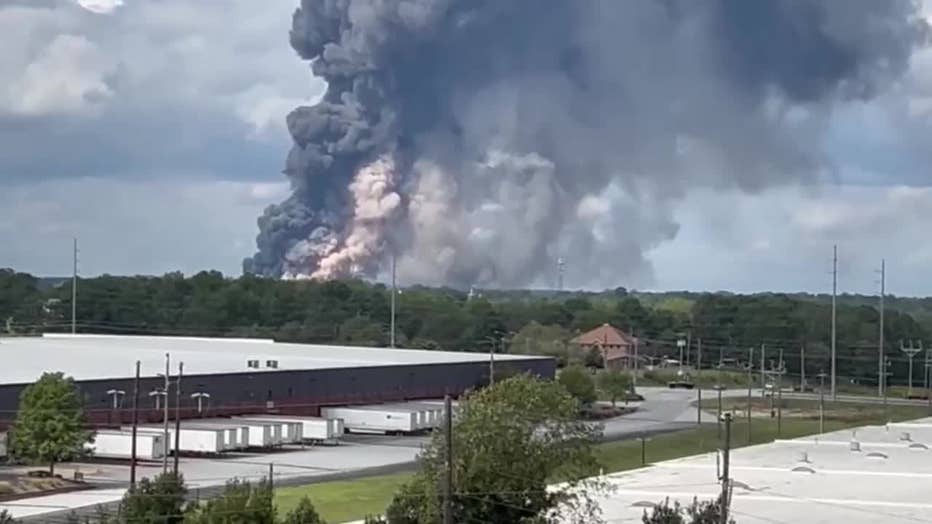
CONYERS, Ga. - Federal investigators say a corroded sprinkler system leaked water onto millions of pounds of pool chemicals, unleashing a toxic gas plume and destroying the Conyers BioLab facility in Sept. 2024.
Conyers BioLab fire causes
What we know:
A failed sprinkler head allowed water to contact stored chlorinated isocyanurates inside the warehouse, initiating an explosive heat and toxic off-gassing reaction. The chemical breakdown released dangerous plumes of chlorine, hydrogen chloride and bromine gas into the air.
The facility stored nearly 14 million pounds of oxidizers at the time, which was more than double the amount indicated to local officials. Stacked rows of chemical bags blocked emergency responders from accessing the initial reaction before flames spread.
Federal chemical safety findings
What we don't know:
Officials have not yet confirmed if federal regulators will expand mandatory process safety standards to cover reactive pool chemicals like trichloroisocyanuric acid.
It also remains unclear whether local authorities will adopt the safety board's recommended updates to fire codes for chemical storage facilities.
Sprinkler system corrosion history
The backstory:
Warehouse components suffered severe corrosion for years as chlorine vapors mixed with ambient moisture to form acidic droplets. Facility operators routinely replaced corroded parts only after they leaked rather than performing proactive maintenance, the report states.
The fire protection alarm monitoring system registered abnormal statuses on 60 different days between January 2023 and the day of the disaster. Emergency repairs were made to leaking sprinkler heads just days before the fire broke out.
Community impact, shutdown
By the numbers:
The 17-day emergency response forced roughly 17,000 local residents to evacuate their homes. Nightly shelter-in-place orders impacted 90,000 people across Rockdale County and metro Atlanta.
The disaster caused an estimated $50.5 million in property damage and forced local schools to close for nearly two weeks. Plant owners permanently shut down the facility in May 2025 and put the property up for sale in Jan.
What they're saying:
BioLab released the following statement after the final CSB report was released.
"BioLab cooperated fully with the CSB throughout its investigation and is reviewing the agency’s final report. We will carefully consider its recommendations as part of our ongoing commitment to safety and continuous improvement. The health and safety of the communities where we operate is a top priority, and we worked collaboratively with first responders and relevant authorities to complete the emergency response in October 2024. We also completed the clean-up of the site affected by the fire and established resources dedicated to supporting area residents and business owners."
The Source: The information in this story was gathered from the U.S. Chemical Safety and Hazard Investigation Board, who published its final investigation report in July on the facility incident, as well as public emergency response records.