

CVS Caremark to cover Zepbound again after lawsuit, widespread backlash
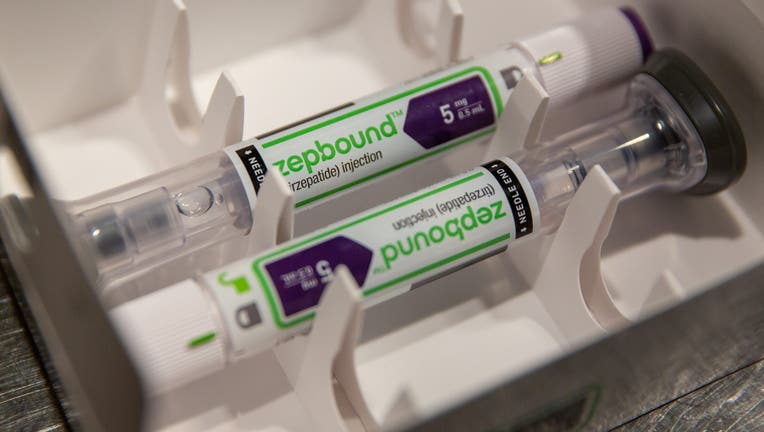
An Eli Lilly & Co. Zepbound injection pen Photographer: Shelby Knowles/Bloomberg via Getty Images
CVS Caremark is adding Zepbound, Eli Lilly’s blockbuster obesity drug, back to its commercial insurance plan formularies, more than a year after it stopped covering it in favor of Novo Nordisk’s Wegovy.
Here’s what to know about the change:
When will CVS Caremark cover Zepbound again?
Timeline:
Zepbound will be added back to commercial insurance formularies as a preferred option on Oct. 1, the company said in a news release.
Dig deeper:
Although the drug will be included on Caremark’s list of preferred options for employer-sponsored plans, it’s still up to the employer to decide whether to cover GLP-1s.
What they're saying:
"Over the past year, we’ve been actively driving change in the GLP-1 weight management space to help lower costs," CVS Caremark said in a news release. "Our approach has made a real difference, enabling us to now expand options while continuing to make progress on affordability.
"We expect these changes to help drive increased savings in the weight management category … while expanding choice for our members."
Caremark adds Foundayo, Eli Lilly’s GLP-1 pill
Starting June 1, CVS Caremark will also cover Foundayo, Eli Lilly’s new GLP-1 pill, for employers who choose to include the drug in its formularies.
Why did CVS Caremark stop covering Zepbound?
The backstory:
CVS Caremark, the nation’s largest pharmacy benefit manager, stopped covering Zepbound on July 1, 2025, after reaching a deal with Novo Nordisk, the maker of rival GLP-1 drug Wegovy. As part of the deal, Caremark agreed to remove Zepbound from its commercial formulary.
Zepbound patients whose employers use CVS Caremark as a pharmacy benefits manager were told they’d have to switch to Wegovy, a similar drug that studies have shown is less effective than Zepbound for treating obesity.
RELATED: CVS Caremark faces class-action lawsuit over Zepbound, Wegovy coverage
The decision prompted a lawsuit filed on behalf of two people who lost Zepbound coverage through their employer-sponsored health care plan, though the lawsuit says some 200,000 people were impacted by Caremark’s decision.
Are GLP-1s becoming more affordable?
By the numbers:
GLP-1 weekly injections have soared in popularity over the past few years, with 1 in 8 Americans reporting taking the drug in some form, according to KFF.
Access and affordability have been big hurdles for many people without insurance, and for those whose insurance plans don’t cover the drugs. People who pay out-of-pocket are paying $299-$449 a month, depending on the dose. Starting doses of the newer GLP-1 pills – like Novo Nordisk’s Wegovy pill and Eli Lilly’s Foundayo – cost $149 a month and go up depending on the dose.
RELATED: Trump says GLP-1 weight-loss drugs coming at $50 for Medicare patients
The Trump administration had said that coverage of the drugs for obesity will expand to Medicare patients starting next year, but Trump announced May 2 that Zepbound and Wegovy would be available to Medicare patients for $50 a month starting July 1.
How do GLP-1s work?
GLP-1s, a class of drugs that include semaglutide (Ozempic, Wegovy) and tirzepatide (Mounjaro and Zepbound), were initially prescribed to treat Type 2 diabetes, but have soared in popularity because of weight loss. Wegovy and Zepbound are FDA approved for weight loss, while Ozempic and Mounjaro are approved for Type 2 diabetes.
The drugs work by mimicking the actions of hormones, found primarily in the gut, that kick in after people eat. The hormones help regulate blood sugar by triggering the pancreas to release insulin, another hormone, and slowing the release of sugar from the liver. People who are overweight or have obesity can become insulin-resistant, which means the body doesn’t respond to insulin properly.
RELATED: Retatrutide, Eli Lilly's next obesity drug, fueled dramatic weight loss in clinical trial
The obesity drugs lower blood sugar and slow down digestion, so people feel full longer. They also affect signals in the brain linked to feelings of fullness and satisfaction, tamping down appetite, food-related thoughts and cravings.
Because people feel full longer, they eat less and lose weight.
However, it appears that if people taking the drugs stop, most regain the weight they lost — and the health problems that come with weight gain.
What's next: A new generation of obesity drugs – including Eli Lilly's retatrutide – is already showing dramatically more weight loss in clinical trials.
The Source: This article includes information from CVS Caremark, The Associated Press and previous FOX Local reporting.