

CDC shooting highlights anger, COVID-19 vaccine 'misinformation'
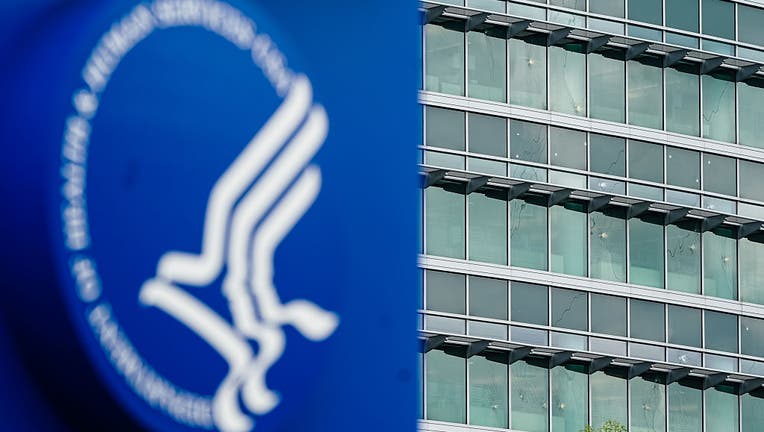
Bullet holes are seen in windows at the Centers For Disease Control (CDC) Global Headquarters following a shooting that left two dead, on August 9, 2025 in Atlanta, Georgia. On August 8, a gunman opened fire near the headquarters of the Centers for D
DEKALB COUNTY, Ga. - Authorities and others say a man who opened fire near the Centers for Disease Control and Prevention’s headquarters on Friday afternoon had previously expressed concerns about the COVID-19 vaccine.
What we know:
According to law enforcement, the suspect, identified as 30-year-old Patrick Joseph White of Kennesaw, targeted a cluster of buildings in the area. Officials have reportedly said White believed the vaccine was responsible for his health problems. The CDC has been at the center of conspiracy theories and misinformation related to the federal response to the pandemic.
ORIGINAL STORY: Emory University Atlanta shooting latest: DeKalb County officer killed, shooter dead

Lt. Gov. Burt Jones talks about CDC shooting
Georgia's Lt. Gov. Burt Jones joined FOX LOCAL on Monday morning to talk about the shooting on Friday at CDC's headquarters in Atlanta.
On Saturday, CDC leadership told employees that investigators found White was "very disturbed" and had sought mental health services in recent weeks. In a recording of an all-staff call reviewed by The New York Times, officials said there had been no prior threats made against the agency.
CDC Director Susan Monarez, confirmed to the position last month, reportedly addressed employees in a message Friday night. "The shooting has understandably brought fear, anger and worry to all of us," she wrote.
U.S. Health and Human Services Secretary Robert F. Kennedy Jr. also issued a statement Saturday morning, acknowledging "how shaken our public health colleagues feel today."
Public misconceptions about COVID-19 vaccines
While officials have not confirmed that Friday’s incident was motivated by vaccine-related beliefs, recent research points to growing public misconceptions about COVID-19 vaccines.
Dig deeper:
A July 2024 survey conducted by the Annenberg Public Policy Center at the University of Pennsylvania found an increase in Americans who believe "misinformation" about the vaccines. Among the 1,496 adults surveyed nationwide, 28% incorrectly believed the vaccines have caused thousands of deaths, up from 22% in June 2021. The percentage of respondents who knew that claim was false fell from 66% to 55% in the same period.
The survey also found that 22% believed it is safer to contract COVID-19 than to be vaccinated — more than double the 10% who held that belief shortly after the vaccine rollout in 2021. Additionally, 15% incorrectly thought COVID-19 vaccines alter human DNA, compared to 8% in 2021.
"Belief in these three misconceptions is associated with increased reluctance to vaccinate," said Kathleen Hall Jamieson, director of the Annenberg Public Policy Center. She added that with updated vaccines available and COVID-19 infection remaining a health risk, there is a need to increase public awareness of the benefits of vaccination.
Medical experts continue to dispute several common myths about COVID-19 vaccines.
According to the Mayo Clinic, there is no evidence linking the vaccines to cancer or making cancer more difficult to treat. The vaccines used in the United States are not associated with a higher risk of stroke or blood clots. In rare instances, some people have experienced side effects such as myocarditis, pericarditis, or, in the case of the now-discontinued Johnson & Johnson vaccine, a rare blood clot disorder known as thrombosis with thrombocytopenia syndrome. Health officials emphasize that the benefits of vaccination outweigh the risks for most people.
Columbia University researchers have found that vaccine misinformation has spread rapidly on social media platforms, contributing to increased vaccine hesitancy. A review of prior studies, published in the journal BMJ, concluded that while some interventions have reduced the spread of misinformation online, there is limited evidence on whether those measures influence actual vaccination behavior.
FOX 5 Atlanta spoke to a neighbor of White's over the weekend who said that the suspected shooter had discussed his concerns about the COVID-19 vaccine.
RELATED: Emory University, CDC Atlanta shooter: Neighbors talk about Patrick Joseph White
Politicization of the CDC
What they're saying:
Democratic Georgia Sen. Jason Esteves, who is running to replace Republic Gov. Brian Kemp in 2026, has linked the shooting to Trump administration's layoffs and funding cuts targeting the CDC.
Esteves released the following statement:
"CDC employees work tirelessly to keep Georgians safe and ensure our public health stays in check. Yet in the last year, these hardworking men and women have faced reckless mass firings, funding cuts, the politicization of their public service, and now targeted gun violence.
"It shouldn’t be this way, and it’s past time our federal and state leaders step up to protect and support our CDC and public health workers. To the dedicated public servants at the CDC: I will always stand with you and be a vocal advocate for your safety, your livelihoods, and the critical work that you do for Georgia and across the globe."
Fired But Fighting, a coalition of fired employees and allies, is calling for the immediate resignation of Secretary Kennedy, saying he is "directly responsible for the villainization of CDC's workforce through his continuous lies about science and vaccine safety, which have fueled a climate of hostility and mistrust."
RELATED: CDC staff working remote Monday; Union calls for more
Senators Jon Ossoff and Rev. Raphael Warnock, both of whom have been outspoken critics regarding the cuts at the CDC, also issued statements:
Former Surgeon General Weighs In
What they're saying:
Purdue University professor and former U.S. surgeon general Jerome Adams called the shooting a "dire reflection of ever-escalating threats public health workers face in a climate increasingly shaped by misinformation, politicization, and inflammatory rhetoric," according to STAT News.
Adams also called out Kennedy for taking "more than 18 hours" to issue a public statement condemning the violent act and said "When influential leaders dismiss decades of rigorous scientific work, they erode public confidence and embolden those primed to view health professionals as enemies rather than protectors."
Ongoing Investigation
The CDC shooting investigation remains ongoing, and authorities have not confirmed a direct link between the suspect’s reported beliefs and the attack.
Additionally, the GBI, who is in charge of the investigation, has not released a photograph of the suspect.