

The mystery of the missing houses: Why it's hard to find a starter home

The mystery of the missing starter homes
Sometimes it can feel incredibly hard to buy a home these days, but these homes haven't vanished at all. Real estate expert John Adams breaks down what he says is actually happening.
Why does it feel so incredibly hard to buy a home these days? It is like the houses you hear about just vanish. Well, here's the mystery: they haven't vanished at all. FOX 5 real estate expert John Adams took a look at the mysterious vanishing home.
Adams says what you and he might think of as modest starter homes are still right where they always were, except the current owners are living in them for much, much longer than they used to.
This isn't just a hunch; the average time someone stays in their home has shot up from around six years to nearly nine, even hitting close to 12 years in some recent studies.
This big shift, what Adams calls the "Extended Home Ownership Tenure," is creating a serious squeeze for anyone hoping to buy their first home.
So, why are people becoming such homebodies? It comes down to a few big reasons.
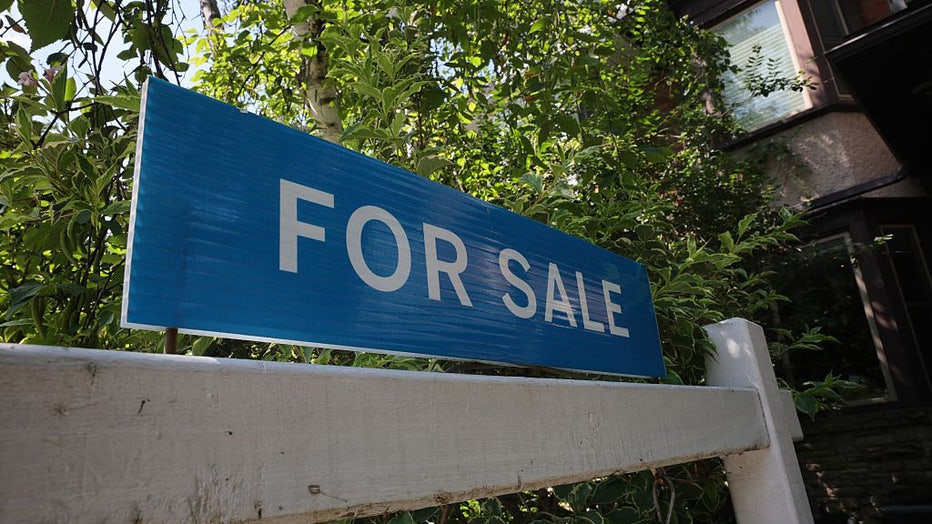
File Images of For Sale signage in Toronto. (Photo by R.J. Johnston/Toronto Star via Getty Images)
1. The golden handcuffs: Owners don't want to give up a good deal
During the pandemic, mortgage rates hit rock bottom, often below 3.25%. Millions of homeowners "locked in" these incredibly low rates. But today? Rates are hovering around 6.82%.
Think about it: moving means trading a cheap monthly payment for a much higher one. For a $300,000 loan, that could mean an extra $600 per month. That's a huge chunk of change! This makes it a lot harder for people to sell, even if their lives change and they want to move. It's like they're wearing golden handcuffs - they're rich in low interest, but stuck where they are.
2. Grandma's staying put: The power of aging in place
Another major reason homes aren't coming onto the market is simply that older folks are choosing to stay put.
The Baby Boomer generation, now in their retirement years, makes up a huge part of the home-owning population. And a whopping 86% of them say they want to stay in their current homes for as long as they can.
With advances in healthcare and smart home technology, it's easier than ever for seniors to live comfortably in their homes. This is great for them, but it means fewer homes are opening up.
If older Americans moved at the same rate as previous generations, we'd have an extra 1.6 million homes on the market. These homes are simply not being listed for sale because their owners are aging comfortably in place.
3. The supply shortage: Just not enough homes to go around
Even if people wanted to move, it's tough to find a new place. The overall number of homes for sale is still lower than it was before the pandemic hit. Home prices have also skyrocketed, up 45.3% since February 2020. This means that even if you sell your current home for a good price, you'll likely face higher mortgage rates and fewer, more expensive options when trying to buy something new.
4. The silent landlords: A hidden tax barrier
Imagine if you were a "mom & pop" landlord who bought a small house 30 years ago and has been renting it out. You might think, "Great, I'll sell it and make a profit!" But for many long-time landlords, the total tax bill and costs due on a sale today might easily reach 50% of their profits when you consider capital gains taxes, state taxes, and something called "depreciation recapture".
This massive tax hit can make selling a rental property a tax nightmare, even if the market is hot. According to the US Census, there are probably 20 million rental units that could ease the housing shortage if policymakers had the will to address these punitive taxes. They don’t!
5. Don't confuse today with 2008
This isn't another housing crash like 2008. Back then, it was fueled by crazy government policies, risky lending, and speculation, which led to a meltdown.
The bottom line
In Adams' professional opinion, it is absolutely crucial not to give up!
The American Dream of homeownership, while challenging right now, is still within reach if you look for creative or non-traditional ways to make it happen. Consider exploring options like shared equity homeownership or maybe rent-to-own programs.
They can help you plant your roots and seize your piece of the American Dream.
The Source: John Adams is a longtime FOX 5 Atlanta real estate expert, broker, landlord and consumer advocate. He has helped Georgia residents navigate real estate issues for more than 15 years.