

National Hurricane Center utilizes AI for storm tracking
Hurricanes and AI: Forecasting takes a major step forward with Google DeepMind
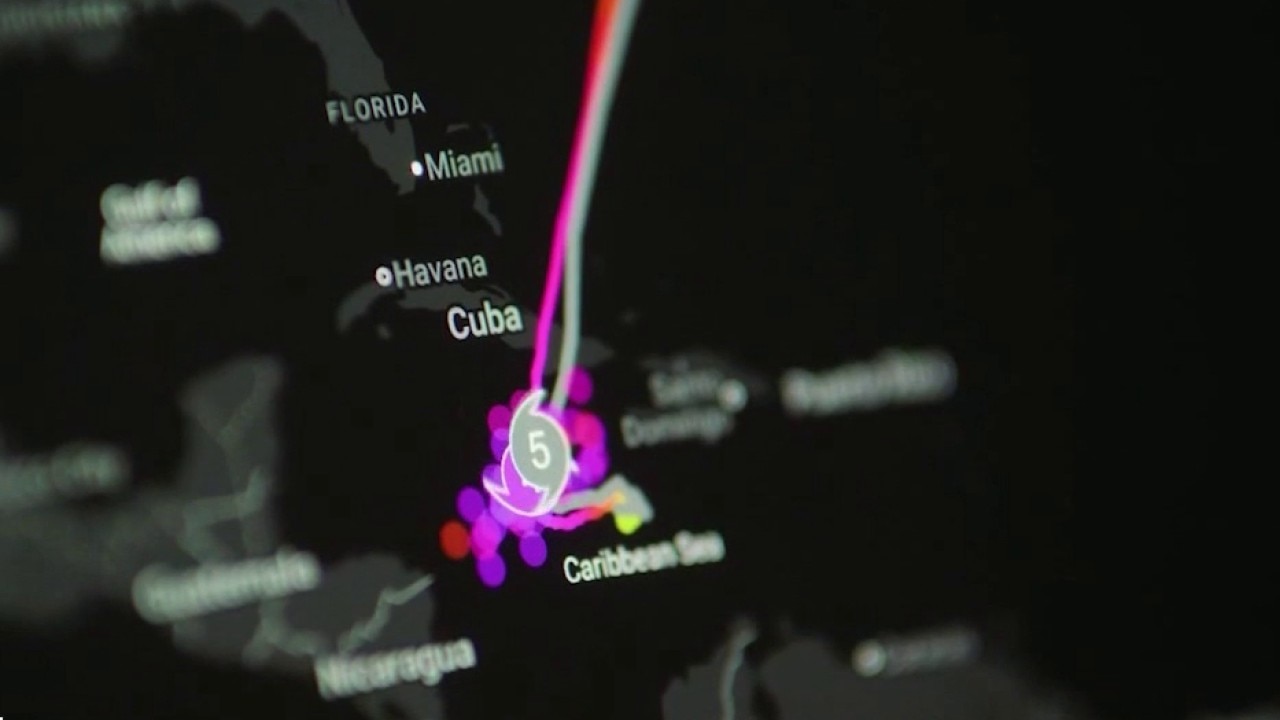
The Google DeepMind, AI-based model, performed better than every single traditional weather model in 2025.
ATLANTA - The integration of artificial intelligence into tropical tracking models is altering how meteorologists forecast hurricanes.
What we know:
Google’s DeepMind artificial intelligence-based model became available to the public for the first time in 2025.
During its initial rollout, the system produced better tracking results than every traditional weather model while operating at a faster and cheaper rate.
Unlike text-based systems trained on internet data, this specific model is trained on weather-specific data and structurally replicates the earth. Traditional modeling relies on numerical weather prediction, but the new tool studies decades of historical data sets to recognize ongoing atmospheric patterns.
Forecasters are watching the technology closely to see if the performance trend continues throughout the current year.
The primary objective of implementing the technology is to give meteorologists an advanced tool rather than replacing human forecasters.
Weather specialists noted the technology can scale down tracking data to give individuals a localized expression of what they will experience during a storm.
If the system continues to perform as expected, officials said it could allow forecasters to notify people about approaching hurricanes five days in advance instead of three days. Future National Hurricane Center forecasts will integrate these patterns to project conditions based on active weather variables.
Dig deeper:
The transition toward pattern-recognition systems marks a significant shift away from standard meteorological practices. For decades, global forecasting agencies relied heavily on numerical weather prediction equations to project the track and intensity of tropical systems. The National Hurricane Center plans to continue utilizing the Google DeepMind model alongside traditional weather models throughout this tracking season to evaluate long-term consistency.
What we don't know:
National Hurricane Center officials have not confirmed the exact budget allocated for integrating artificial intelligence into its operational framework. It also remains unclear what specific margins of tracking error occurred between the traditional numerical weather prediction models and the Google DeepMind model during the 2025 testing phase.
What's next:
Meteorologists are waiting to see how the system handles active tropical systems as the season progresses. If the technology lives up to its projected potential, the advanced pattern recognition will lay the foundation for a permanent shift in how local and national agencies distribute severe weather alerts to vulnerable coastal communities.
The Source: The information in this story was gathered from Google DeepMind scientist Ferran Alet, National Hurricane Center Deputy Director Jamie Rhome and hurricane specialist Bryan Norcross, who detailed the development, testing and deployment of advanced tropical tracking models.