

More pain at the pump: Georgia gas hits $4.09, poll reflects frustration
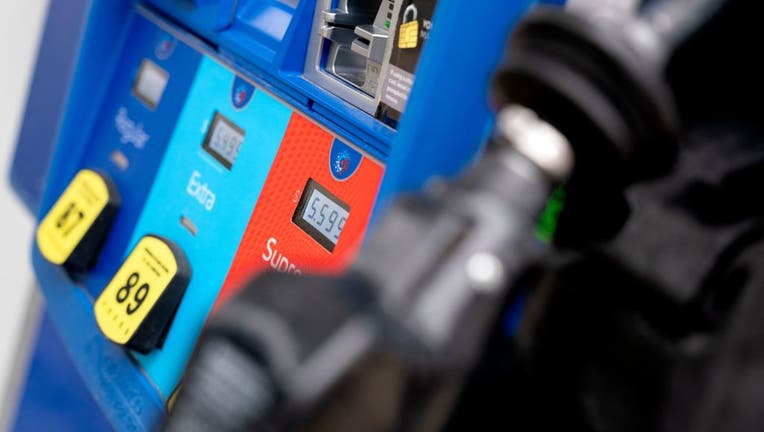
Gas prices are displayed on a gas pump at an Exxon gas station in Washington, DC, on May 24, 2022. (Photo by STEFANI REYNOLDS/AFP via Getty Images)
ATLANTA - Filling up in Georgia has become a $60 decision.
What we know:
The average price of regular gasoline in the state of Georgia reached $4.09 a gallon Monday, according to AAA. That is about 8 cents higher than last week, 27 cents higher than a month ago and $1.19 higher than this time last year.
At the current average, a 15-gallon fill-up costs about $61.35. The same amount of gas would have cost roughly $43.50 one year ago — a difference of more than almost $18 per tank.
The average in Atlanta is slightly lower at $4.08 a gallon.
Georgia remains below the national average of $4.48. The current highest price on record for a regular gallon of gas is $4.49 on June 15, 2022. That record is expected to be broken this week.
Diesel prices hit businesses especially hard
By the numbers:
Diesel is delivering an even bigger shock.
The Atlanta average stands at $6.38 a gallon, nearly $2.81 higher than a year ago. Georgia’s statewide diesel average is $6.34, just below the record of nearly $6.36 set Sept. 19.
Those prices affect more than truck drivers. Higher diesel costs can eventually show up in the price of groceries, construction materials and other products transported by truck.
AAA said crude oil prices remain high, while global conflict and disruptions to fuel supplies have added pressure to the market. The national diesel average reached a record $6.51 Monday.
Poll finds frustration at the pump
A recent national poll found 61% of Americans consider gas prices a major issue. Drivers interviewed by The Associated Press described the increases as another strain on budgets already stretched by groceries, housing and other everyday expenses.
The frustration crosses political lines, though voters differ over who or what deserves the blame. Gas prices are influenced by several factors, including crude oil prices, refinery capacity, seasonal fuel blends, supply disruptions, taxes and local competition.
RELATED: Fox News Poll: Squeezed by costs, frustrated voters turn to the Democrats
Consumers also expect the pressure to continue. The Federal Reserve Bank of New York’s August consumer survey found that expected gas-price growth rose to 4.6%, an increase of 1.7 percentage points from the previous survey.
How drivers are coping
Some families are limiting optional trips, combining errands or shifting money away from dining, entertainment and other flexible expenses. Others are carpooling, working from home when possible or using smaller, more efficient vehicles for routine trips.
Combining errands can produce a bigger benefit than many drivers realize. Several short trips made after the engine cools can use twice as much fuel as one longer trip covering the same distance, according to the U.S. Department of Energy.
Lesser-known ways to spend less on gas
Remove unused roof equipment: An empty cargo box or other rooftop equipment still creates drag. A large rooftop box can reduce fuel economy by 6% to 17% on the highway and as much as 25% at interstate speeds.
Put cargo behind the vehicle instead: When external storage is necessary, a hitch-mounted box or tray generally reduces fuel economy less than rooftop storage.
Watch the speed, not just the price sign: Fuel economy usually drops quickly above 50 mph. The Energy Department estimates that every 5 mph driven above 50 can feel like paying an additional 29 cents per gallon.
Use the dashboard’s economy display: Real-time fuel-economy feedback can help the average driver improve mileage by about 3%. Drivers actively trying to conserve fuel may improve it by about 10%.
Skip unnecessary idling: Idling can burn a quarter-gallon to a half-gallon of fuel per hour, depending on the engine and air-conditioner use. For most modern vehicles, restarting uses roughly 10 seconds’ worth of fuel.
Empty the rolling storage unit: An extra 100 pounds inside a vehicle can reduce fuel economy by about 1%. That forgotten bag of landscaping rock or collection of tools is now costing money.
Check the oil specification: Using the manufacturer’s recommended motor oil can improve mileage by 1% to 2%.
Do the loyalty-program math: Grocery points, station rewards, cash discounts and credit-card rebates can help, but drivers should compare the final price. A 10-cent reward does not help if the participating station begins 20 cents higher than one nearby.
Do not drive miles to save pennies: A station charging 10 cents less saves $1.50 on 15 gallons. A lengthy round trip to reach it can erase the entire discount.
The largest savings may come from changing driving behavior. Aggressive acceleration, speeding and hard braking can cut gas mileage by 15% to 30% on the highway and up to 40% in stop-and-go traffic, according to the Energy Department.
In other words, the cheapest gallon may be the portion drivers avoid burning in the first place.