

Here's a look at major bills headed to Gov. Kemp's desk

Georgia session ends with major tax cuts
Georgia lawmakers finished the 2026 session by passing a $38.5 billion budget and significant tax cuts, though a looming July 1 deadline for ballot changes remains unresolved.
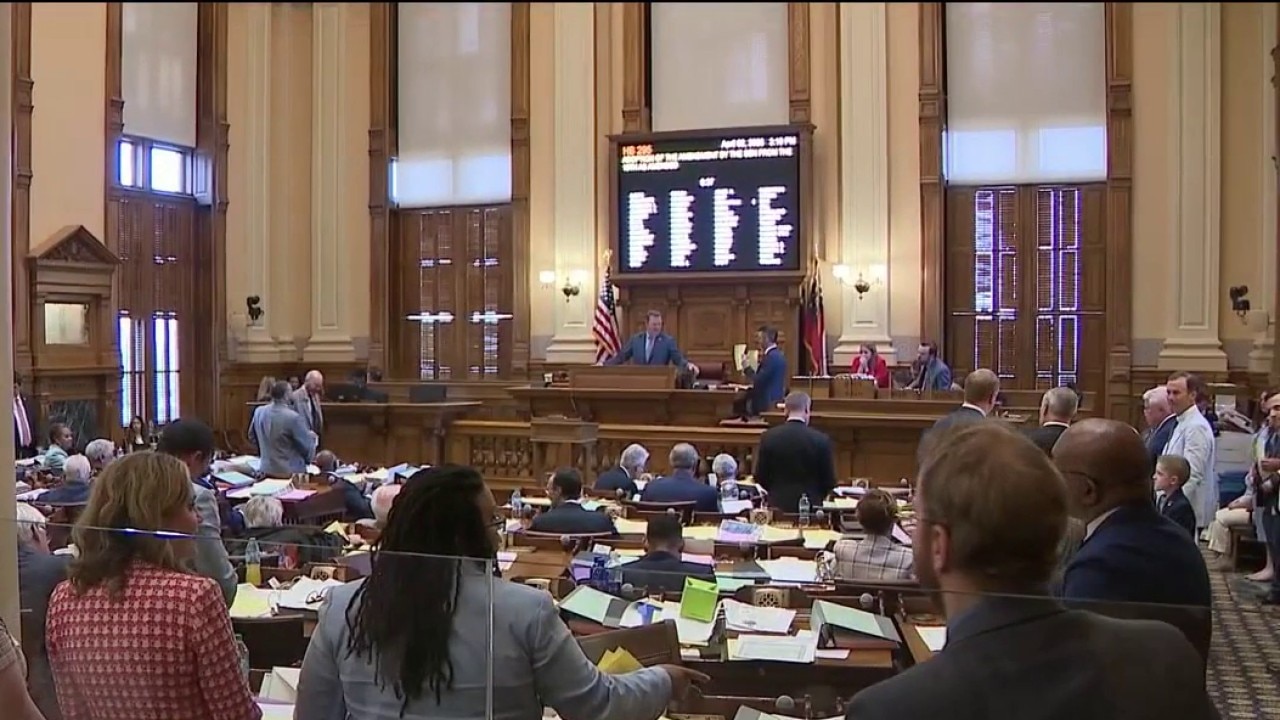
ATLANTA - Georgia lawmakers have wrapped up the 2026 legislative session, approving a slate of major bills that now head to Gov. Brian Kemp for final approval.
The session ended after a marathon final day at the State Capitol, with lawmakers reaching agreements on several high-profile issues, including the state budget and tax relief measures.
State budget passes
What we know:
The biggest item passed was the $38.5 billion state budget, which funds government operations and includes pay raises for state employees and investments in education.
The plan specifically secures 'bridge' funding for Georgia’s most vulnerable. For the first time in several years, state pensioners and retirees are slated to receive a cost-of-living increase. Additionally, the budget establishes a new summer food voucher program for students who qualify for free or reduced lunch to ensure access to meals when school is out of session.
Lawmakers also approved multiple tax-related measures, including an accelerated income tax cut plan and a property tax relief proposal aimed at limiting how quickly property taxes can rise. The plan ties increases to 3% or the rate of inflation and allows local governments to consider a 1% sales tax to offset lost revenue.
While the immediate rate falls to 4.99%, lawmakers included a 'sliding scale' provision. The long-term legislative strategy aims to use this scale to incrementally bring the state income tax down to 3.99% in the coming years.
Additional legislation would exempt certain earnings from tips and overtime from state income taxes, create a new scholarship program for low-income college students and overhaul transit oversight across Georgia.
Several key bills headed to Kemp's desk
Georgia lawmakers have wrapped up the 2026 legislative session, approving a slate of major bills that now head to Gov. Brian Kemp for final approval. Deidra Dukes reporting.
Other measures include a bill allowing property owners to sue local governments over certain public safety enforcement issues, a requirement to disclose sexual harassment settlements involving lawmakers and a proposal allowing businesses to round cash transactions to the nearest nickel.
Bills headed to the governor’s desk:
- $38.5 billion state budget
- Income tax cut plan
- Property tax relief measure
- Tax exemptions for tips and overtime
- Transit overhaul creating a new authority
- Needs-based college scholarship program
- Legislative transparency bill (harassment settlements)
- Cash rounding (pennies) bill
Bills that did not pass
Not all proposals made it to the finish line.
What we know:
Lawmakers failed to pass key election-related legislation addressing how votes will be counted after a 2024 law banning QR codes on ballots takes effect July 1.
The 2024 law officially banning the use of QR codes on ballots takes effect July 1, but the lack of a practical alternative has led strategists to warn of a potential 'voting crisis' this November. While many lawmakers have shifted focus to May primary fundraising, state leaders are discussing a potential special session with Gov. Brian Kemp. Though fundraising rules make a return to the Gold Dome a 'slim possibility,' the legal necessity of fixing the QR code ban before the fall election may leave the state with no other choice.
With no clear alternative in place, officials say the issue could lead to legal challenges or force lawmakers to return for a special session later this year.
The measures that did pass now await Kemp’s decision to sign them into law, veto them or allow them to take effect without his signature.