

Gov. Kemp signs forestry, land management legislation
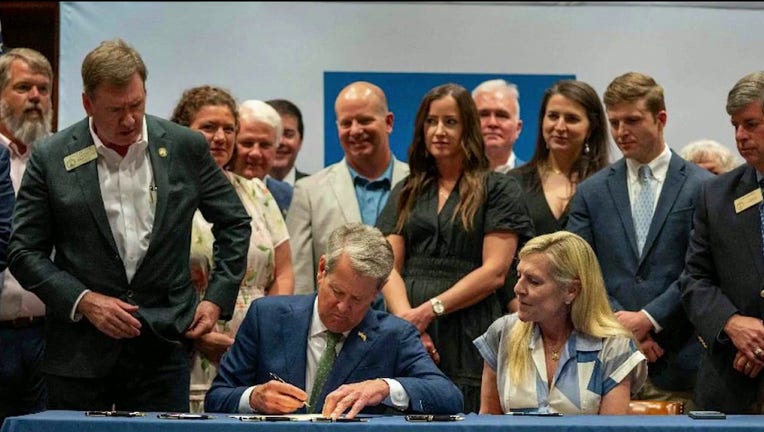
Source: Gov. Kemp office
Gov. Brian Kemp on Wednesday signed a package of forestry and natural resources legislation that state leaders and industry officials say will strengthen Georgia’s forestry economy and support rural communities.
What we know:
The bills were signed during an event at the headquarters of the Georgia Forestry Association and were headlined by House Bill 134, known as the Keep Georgia Forested Act.
The measure allows Georgia’s existing Jobs and Investment Tax Credits to become transferable for forestry manufacturers during a five-year period, a move supporters say will help companies access capital earlier in operations and encourage hiring and investment in rural Georgia.
The governor also signed House Bill 983, Senate Bill 306 and House Resolution 1008, all backed by the Georgia Forestry Association.
Dig deeper:
HB 983 provides regulatory clarification for prescribed burns conducted for forestry purposes by exempting some activities from certain notice and permit requirements. Forestry leaders said prescribed burns are critical for reducing wildfire risks and maintaining healthy forests, especially after recent wildfire activity in south Georgia.
SB 306 updates protections for landowners participating in the Conservation Use Valuation Assessment and Forest Land Protection Act programs. The legislation allows certain landowners to participate in carbon credit programs without violating tax covenants, creates a grace period for converting between programs and adds additional notice protections for expiring covenants.
HR 1008 ratifies changes to Georgia’s statewide water management plan that were adopted by the State Water Council in late 2025. The amendments include updates to regional water planning councils intended to ensure representation from industries including forestry and agriculture.
Georgia has about 22 million acres of commercially available forestland, according to the association. The industry supports more than 141,000 jobs statewide and generates an estimated $59 billion in annual economic impact.