

Georgia crews fight invasive yellow-legged hornet spread
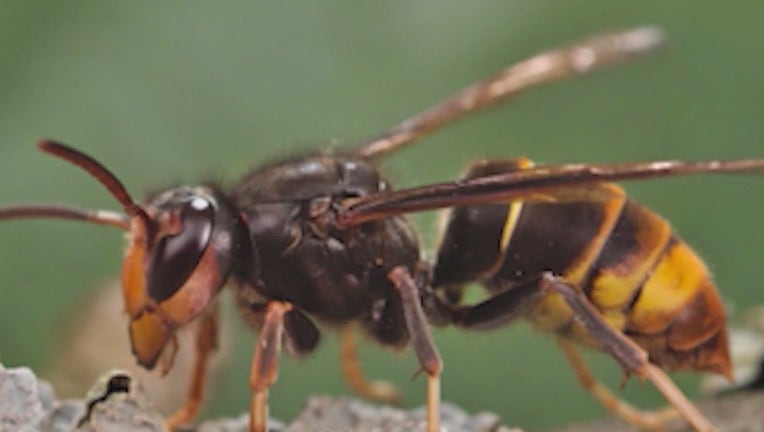
ATLANTA - State agriculture officials continue efforts to track and eradicate invasive yellow-legged hornets across Georgia as warm temperatures prolong insect activity.
What we know:
The Georgia Department of Agriculture’s Plant Protection team found 1,310 yellow-legged hornets and 33 nests during September.
To track the pest's spread, state teams deployed 32 new traps during the month, bringing the total number of actively monitored traps across Georgia to 8,228.
According to the Georgia Department of Agriculture's yellow-legged hornet eradication map, teams have eradicated 119 nests just this year alone.
Recent research from the University of Georgia indicates coastal wind patterns are assisting the species' northward spread, while new dietary findings show the hornets are preying on a wide variety of native pollinators in addition to honeybees.
PREVIOUS STORY: How wind and diet are helping invasive hornets spread across Georgia
Why you should care:
Agriculture is Georgia's top industry and primary economic driver, and the state leads the nation in the production of several key crops. Yellow-legged hornets pose a direct threat to that industry by preying heavily on honeybees and other native pollinators essential for crop production and pest control.
Unmanaged hornet populations could permanently establish themselves in the region, creating severe long-term risks for local food production and ecosystems.
What we don't know:
Researchers have not determined the total financial impact or long-term damage the invasive hornet could cause to Georgia's agriculture industry.
It remains unclear whether state and university efforts will achieve complete eradication of the hornet population in Georgia.
What you can do:
State agriculture officials urge residents who spot suspected nests or hornets exhibiting "hawking" behavior near beehives to report sightings and photos to yellow.legged.hornet@agr.georgia.gov.
You can also report your sightings online here.
The Source: The information in this story came from the Georgia Department of Agriculture and previous FOX 5 reports.