

Emory and Georgia Tech trial helps paralyzed patients speak
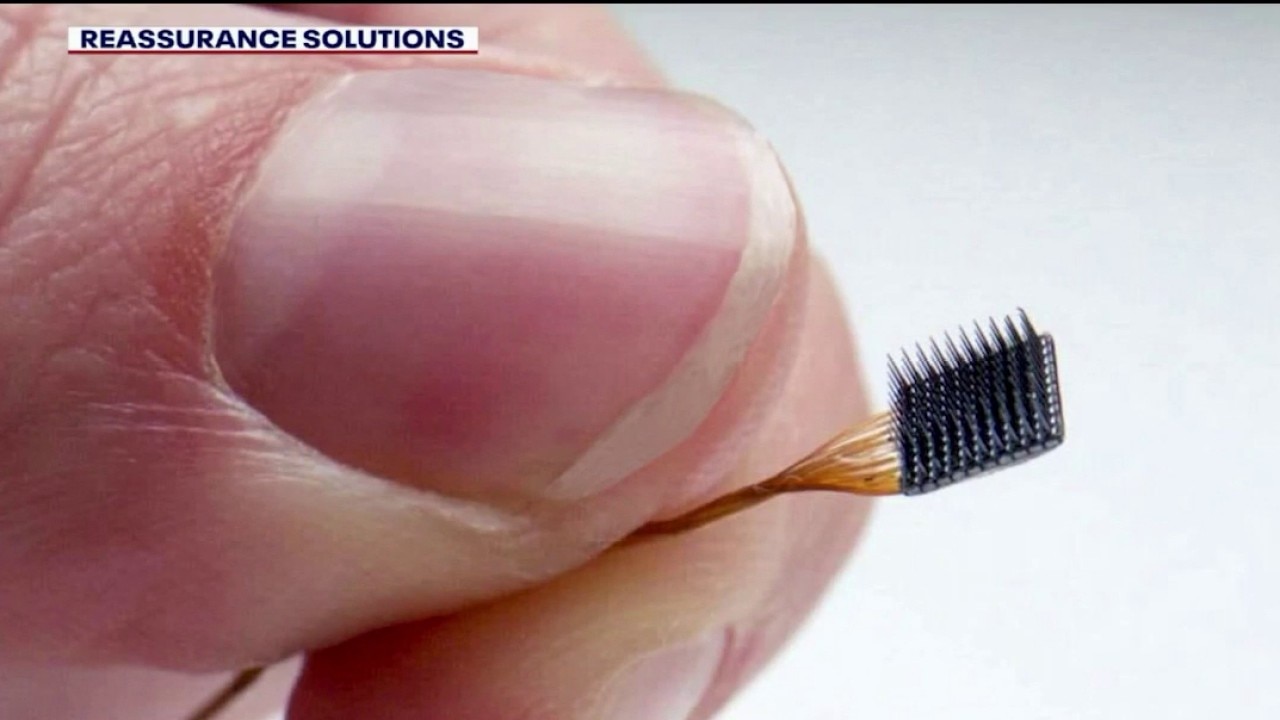
Atlanta scientists develop 'mind reading' tech
Researchers at Emory and Georgia Tech have developed a brain-computer interface that uses AI to translate electrical brain activity into spoken words with 96% accuracy.
ATLANTA - Researchers at Emory University and Georgia Tech are developing "mind-reading" technology called brain-computer interface. It is designed to restore communication for people living who cannot communicate verbally due to conditions like paralysis.
Emory and Georgia Tech brain trial results
What we know:
Scientists are using brain-computer interfaces (BCIs) to help people with illnesses like ALS, spinal cord injuries, and strokes interact with loved ones again. Surgeons implant tiny sensors, measuring just 3 mm by 3 mm, into the brain to pick up signals when a person tries to speak.
Artificial intelligence and specialized algorithms then translate these brain waves into sentences that appear on a device screen. While not every word is a perfect match, researchers say the system is accurate enough for users to piece together full messages. Researchers say accuracy is at least 90%.
Privacy and future of AI translations
Big picture view:
While the concept of "reading minds" or, at last, "reading intentions" may sound like science fiction, researchers insist the technology respects privacy. The sensors only pick up thoughts the person intends to communicate, not their private inner monologue. Beyond helping those with disabilities, the team suggests this technology could eventually lead to "universal translators" that change how beings interact.
"The same concepts should work regardless if that speech is English, Spanish or Chinese," said Dr. Chethan Pandarinath, an associate professor at Georgia Tech.
The technology could help people's thoughts become words.
"As the technology improves, the science improves, there's great potential," says Dr. Au Yong." The Brain Machine Interface, rather than using residual functions that still exist in some limited way, it takes signals directly from the brain itself and routes it to a computer and this tech."
Understanding the speech sensors
By the numbers:
- 3x3: The size in millimeters of the tiny sensors implanted in the brain.
- 1: The depth in millimeters the sensor travels into brain tissue.
- 100: The goal is 100% accuracy, though current AI interpretation is already high enough to be "pretty accurate" and understandable.
Restoring speech to paralyzed patients
Why you should care:
There is a large population of people who are severely disabled and unable to speak despite having minds that are fully intact. This research aims to return function to those who are currently conscious but unable to interact with the world, offering a new level of independence.
Expert insight on brain wave technology
What they're saying:
"Imagine if you are someone fully conscious, unable to speak and interact with your loved ones. We are hoping to return function to those people," said Dr. Nicholas Au Yong, M.D. an Emory University neurosurgeon.
Dr. Pandarinath, an associate professor at Georgia Tech, added that the technology "allows us to pick up brain waves when someone tries to speak."
The Source: The information in this story was gathered from interviews with neurosurgeons and biomedical engineers at Emory University and Georgia Tech, as well as clinical trial data demonstrating the AI's ability to translate brain waves.