

Coronavirus: How to steer clear of germy surfaces
ATLANTA - All-day, every day, we touch surfaces hundreds, even thousands, of other people touch.
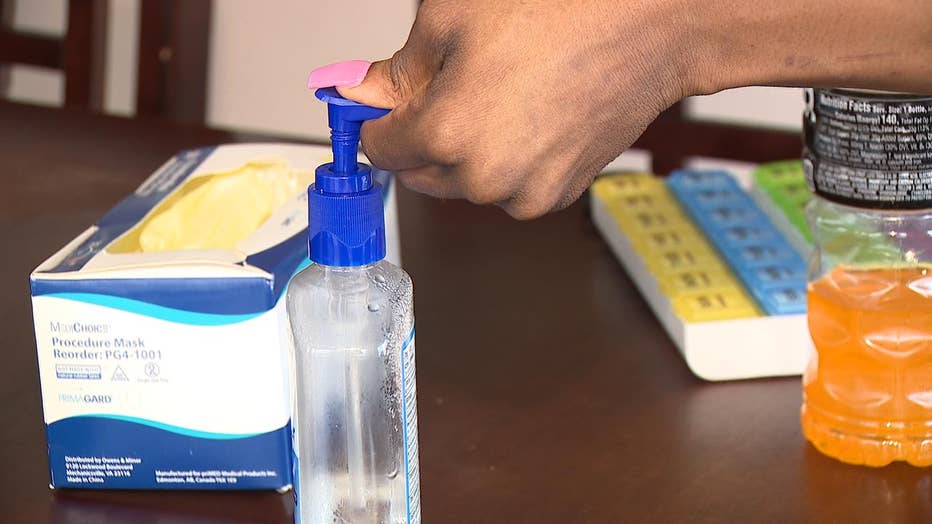
The COVID-19 outbreak has made many Americans more aware of germs and handwashing. (FOX 5 Atlanta)
That sharing can make steering clear of the new coronavirus a little more complicated.
But WebMD Medical Editor and pediatrician Dr. Hansa Bhargava says there's one germ-magnet that could be increasing our risk
of getting sick: right in our hands.
"So smartphones actually are touched about 80 times a day," Bhargava says. "We touch our mouth and our eyes about 25 to 40 times a day, just think about that. So, if there are viruses living on those surfaces, whether it's coronavirus or flu, or whatever else, the likelihood of putting that in your mouth increases. So wipe those down frequently."

Avoid germy survaces
The possibility of a coronavirus outbreak has many people concerned about germy surfaces
COVID-19 is an airborne respiratory virus, spread when an infected person coughs or sneezes, or leaves behind tiny viral particles on hard surfaces.
The World Health Organization (WHO) says early data, along with what we know about other coronaviruses, indicates the virus may be able to survive outside the body for anywhere from a few hours to a few days.
So, Dr. Bhargava says to become more aware of touching surfaces a lot of other people touch.
And, she says, be careful about sharing items.
"Don't share foods or drinks with people," she says. "Don't share spoons or straws. That's because people may be asymptomatic, and not know they have an infection, and pass it on to you inadvertently."
Wipe down shared surfaces with a disinfectant spray or wipes.
If you think you might have touched a contaminated surface, wash your hands with soap and water, or use a hand sanitizer,
Try not to touch your eyes, nose or mouth.
The WHO says there is one place you're not likely to pick up the virus: on packages shipped from China.
The agency says it's very unlikely the virus could survive during the shipping process.