

The Pullman Porter legacy: How Black rail workers built the American Middle Class
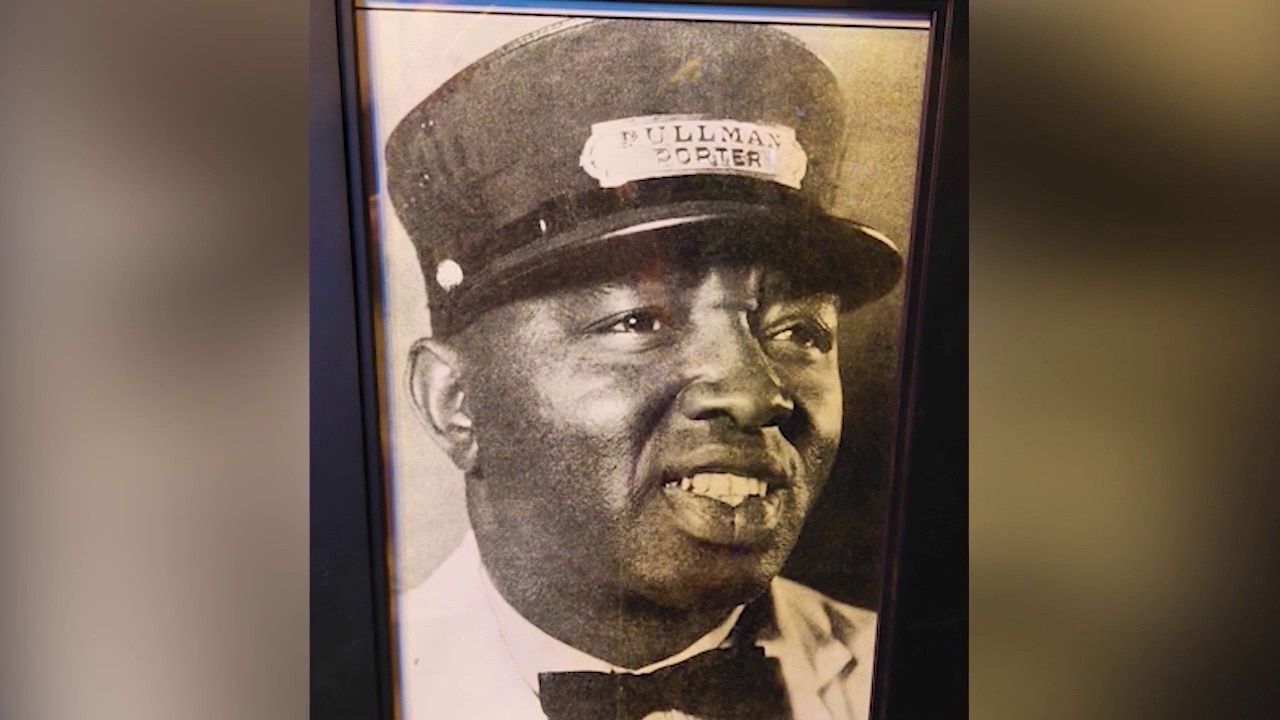
Pullman Porters: The unsung heroes of civil rights
How the Pullman Porters generations of African-American men turned a role defined by servitude into a powerful engine for social mobility and civil rights.
ATLANTA - Dressed in an authentic Pullman Porter jacket and the same cap his grandfather wore decades ago, Robert West looks at a passing train and sees more than just transportation. He sees a legacy that built the Black middle class and sparked the civil rights movement.
"I feel like Superman," West said. "I feel like Superman in the way that I’m representing generations."
Working for the Atlantic Coastline railroad
The backstory:
West, whose grandfathers both served as porters, is working to preserve the history of the African American men who served as the backbone of the rail industry from 1867 through the late 1960s. These men serviced Pullman cars, the luxury first-class sleeping cars of the era, and in doing so, changed the trajectory of American history.
While the work was grueling, often involving 100-hour work weeks and a heavy reliance on tips for wages, the role of a Pullman Porter became a cornerstone of Black economic stability.

Robert West wears an authentic Pullman Porter jacket and cap in Atlanta to honor the legacy of his grandfathers who helped build the Black middle class through their service on luxury rail cars. (FOX 5 Atlanta)
"My grandfather got his start working for the Atlantic Coastline railroads back in the '30s," West said. "These are men who gave service to plantation and family. They knew how to render service; they knew social etiquette. You didn't really have to train them on what to do or say or show humility when it comes to serving the traveling public."
Because of their travels, porters gained a unique perspective on the country. "They are men that have been places and done things that the average Black man didn't do," West noted.
‘He sent some money to go bail Rosa Parks out’
What they're saying:
Beyond the rail lines, Pullman Porters were pivotal in the organized labor and civil rights movements. In 1925, they formed the Brotherhood of Sleeping Car Porters, the first Black labor union, led by A. Philip Randolph.
The union’s influence extended directly into the fight for equality. West recounted a pivotal moment when Randolph used the porter network to support the Montgomery bus boycott.
"It was A. Philip Randolph who sent a wire down to E.D. Nixon, who was a Pullman Porter based in Montgomery, Alabama," West said. "In the wire, he sent some money to go bail Rosa Parks out."
The Great Migration
Dig deeper:
The profession also served as a starting point for future icons. Both the first Black Supreme Court Justice, Thurgood Marshall, and civil rights activist Malcolm X worked as Pullman Porters in their youth.
The impact of these men reached far beyond the "hustle and bustle" of the station. By fueling the Great Migration and providing a path to the middle class, they reshaped the social fabric of North America.
"The sacrifices they made and the services they rendered, it really impacted North American life for the Black community, so they could live the American life," West said.
Legacy secured
What's next:
As the "all aboard" calls continue to echo at stations like Atlanta's Amtrak terminal, West remains committed to ensuring the story of the Pullman Porter keeps moving down the tracks.
The Source: This article features an interview with Robert West, the grandson of two former Pullman Porters. The historical details and specific anecdotes were sourced from West’s personal accounts, family legacy, and documented history of the Brotherhood of Sleeping Car Porters.