

Judge blocks Trump administration’s SNAP restrictions on soda and candy in five states
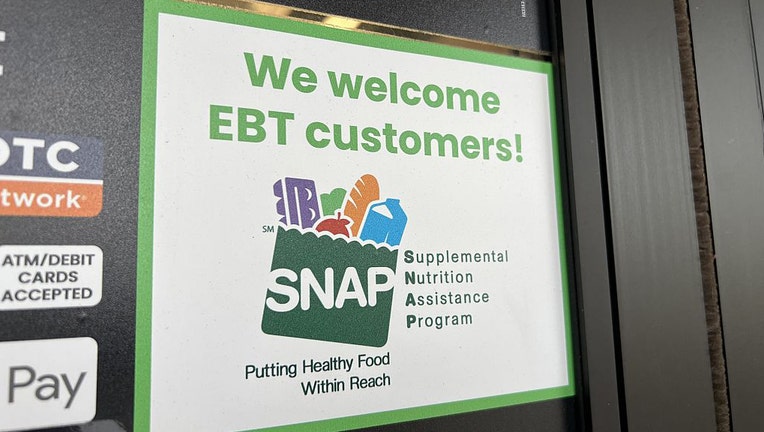
FILE-A sign at a supermarket entrance with text that says We Welcome EBT customers and a SNAP logo in Lafayette, California, November 13, 2025. (Photo by Smith Collection/Gado/Getty Images)
The Trump administration’s ban on preventing food stamp recipients in five states from using their benefits to buy sugary foods and drinks was blocked Monday by a federal judge in Washington, D.C.
Dig deeper:
In her ruling, U.S. District Judge Amy Berman Jackson said the U.S. Department of Agriculture (USDA) lacked the authority under federal law to approve state requests to bar recipients of the Supplemental Nutrition Assistance Program (SNAP) from using benefits to buy sugary foods and drinks. She sided with plaintiffs from five states, Colorado, Iowa, Nebraska, Tennessee, and West Virginia, who argued the restrictions would undermine their access to food.
So far, the USDA has approved "food restriction" waivers in 23 states allowing them to restrict SNAP participants from using their benefits to buy products such as soda and candy.
The backstory:
The banning of junk food from SNAP purchases is part of the Trump administration’s Make America Healthy Again (MAHA) initiative.
Agriculture Secretary Brooke Rollins and Health and Human Services Secretary Robert F. Kennedy Jr. have endorsed the waivers as part of the MAHA movement.
By the numbers:
SNAP, commonly known as the food stamp program, provides monthly benefits to 42 million low-income Americans, and is administered by the USDA in partnership with state governments.
The Food and Nutrition Service (FNS) oversees the SNAP program, which in fiscal year 2024 cost just over $100 billion, providing an average of $190.59 a month per person to over 42 million people.
What they're saying:
"The federal defendants and the states may have a genuine desire to improve the health of SNAP households by encouraging healthy choices at the store, and they can take lawful steps to meet those goals," Jackson said. "But what they cannot do is violate the law and their own regulations along the way."
In Monday's ruling, Jackson said the USDA could approve waivers only for limited purposes allowed under U.S. law, such as improving the efficiency of the SNAP program.
"Improving the health and diet of SNAP recipients is not included," Jackson said.
The USDA defended the policy and signaled it would continue pursuing restrictions on the use of SNAP benefits for certain foods.
"The idea that taxpayer funds should not be used to purchase junk food should not be controversial," a USDA spokesperson said in a statement. "USDA will not be backing down from the fight to Make America Healthy Again, including for families and communities reliant on SNAP."
How SNAP operates:
The federal government sends SNAP funds to states which administer applications and determine eligibility based on federal guidelines. Benefits are loaded on prepaid cards through the Electronic Benefit Transfer (EBT) system and beneficiaries use the cards at stores to pay for their groceries.
The Source: This story was written using information provided by Reuters, the U.S. Department of Agriculture (USDA), and previous FOX Local reporting. This story was reported from Orlando.