

Georgia politics: Mail ballot ruling, Cobb plans, AI voting concerns
Mail ballot ruling, Cobb plans, AI voting concerns
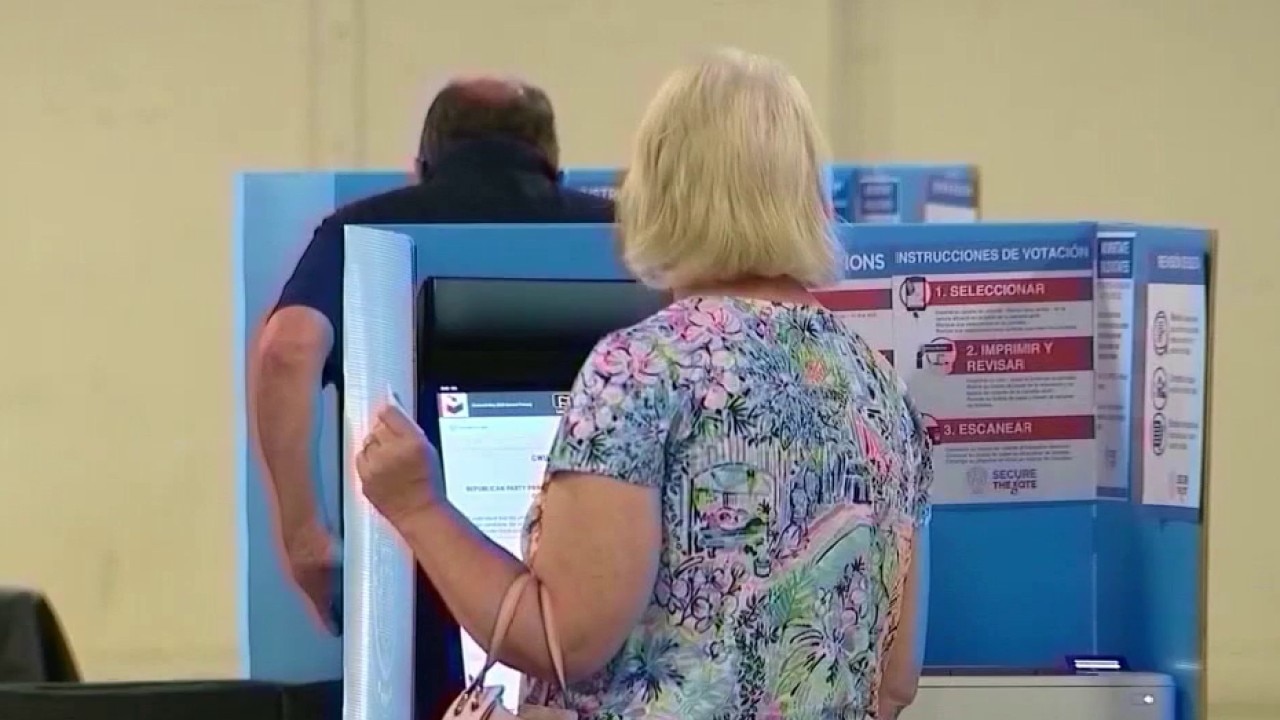
Several developments are shaping Georgia politics ahead of the November midterms. The U.S. Supreme Court blocked new Postal Service requirements for mail ballots, Cobb County discussed contingency plans for absentee ballots, and researchers are raising concerns about how advances in AI could affect ballot secrecy in Georgia.
ATLANTA - From a major U.S. Supreme Court decision affecting mail ballots to new concerns about artificial intelligence and Georgia's voting system, several developments could affect voters ahead of the Nov. 3 midterm elections.
Supreme Court blocks new mail ballot restrictions
What we know:
The U.S. Supreme Court on Monday rejected the Trump administration's request to allow new Postal Service requirements for mail ballots to take effect for the 2026 elections.
The rule would have required states and local election officials to meet new requirements for ballot envelopes and upload voter information to a Postal Service portal. Mailings that failed to comply could have been rejected and returned to election officials.
The court declined to put a lower court's injunction on hold, meaning states can continue operating under their existing mail-ballot procedures for the November election. Justice Brett Kavanaugh wrote that although there was at least a "fair prospect" the rule was within the Postal Service's authority, election officials did not have enough time to reasonably implement it before the election.
Cobb considered backup plan for absentee ballots
What they're saying:
Before the Supreme Court ruling, Cobb County election officials discussed possible contingency plans for delivering absentee ballots if the federal requirements were allowed to take effect.
One option discussed was using a third-party company to distribute absentee ballots. According to information presented at the meeting, New York-based Fort Orange Press currently handles Cobb County's absentee-by-mail ballots but uses the U.S. Postal Service to deliver them.
Officials said the discussion was intended to ensure the county had alternatives available rather than waiting to react to changes shortly before the election.
The board did not take action on the potential contingency plan.
Cobb County says absentee ballot applications for the Nov. 3 election are being accepted through Oct. 23.
DeKalb voters invited to election forum
What you can do:
The DeKalb Citizens Coalition is holding a "Know Your Rights" community forum Tuesday for voters in south DeKalb County.
The forum is scheduled from 6 to 8 p.m. at Gresham Library.
Organizers are expected to discuss issues affecting voters ahead of the November election, including proposed data center development.
AI raises new concerns about Georgia ballot secrecy
Why you should care:
Georgia's voting system is also facing renewed scrutiny over a vulnerability that researchers say could potentially allow someone to determine how an individual voter cast a ballot.
The Associated Press reported that advances in artificial intelligence have increased concerns because AI tools could make it easier to analyze voting records and potentially match voters with their selections. The issue involves ballot secrecy and does not allow votes to be altered or raise questions about the accuracy of vote totals.
The vulnerability has been known for several years, but researchers say rapidly improving technology makes addressing it more urgent.
Georgia election officials say they are taking steps to reduce the potential risk, including limiting access to potentially sensitive voting records and working with vendors to change how voting data is ordered. Election security advocates have argued more extensive changes are needed.
Congress returns with short September agenda
Meanwhile, Congress is back in Washington with lawmakers facing a compressed September schedule.
The House is expected to be in session for one week, while the Senate is scheduled for three weeks.
Among the issues described in the transcript are proposals involving AM radios in certain new vehicles, aviation measures and California vehicle emissions standards. The Senate is also expected to focus on a framework for regulating cryptocurrency, with a procedural vote expected Tuesday.