

Inside the 'Black City Hall': How Atlanta is saving the legacy of the Butler Street YMCA
Saving the legacy of Atlanta's Butler Street YMCA
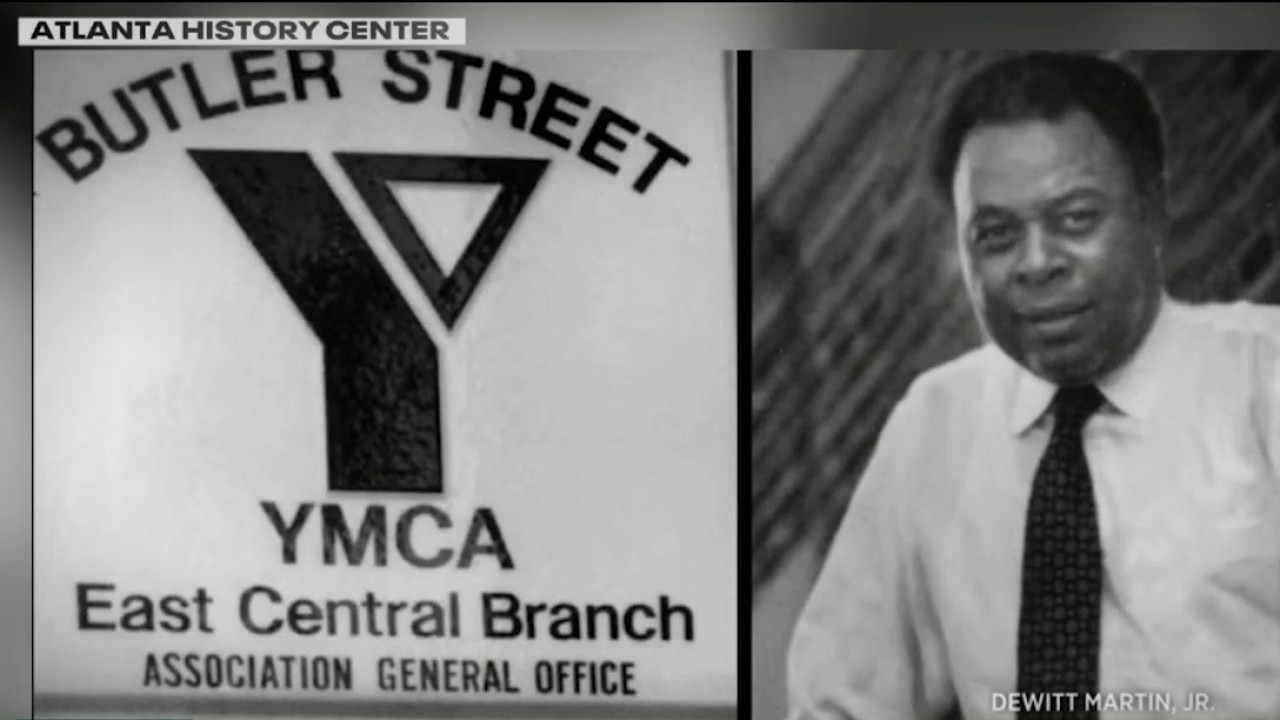
For over a century, the Butler Street YMCA served as the "de facto Black City Hall" of Atlanta, acting as a critical launchpad for civic leaders like Mayor Maynard Jackson. While its doors closed in 2012, a newly released digital exhibit from the Atlanta History Center breathes life into the personal papers and photos of long-time director DeWitt Martin Jr.
ATLANTA - On Jesse Hill Jr. Drive, the weathered facade of the old Butler Street YMCA still stands as a silent witness to a century of revolution. For 118 years, it served as a cornerstone of Black life, but historians and family members are now working to ensure its legacy as the "de facto Black City Hall" isn't lost to time.
DeWitt Martin and the Butler Street YMCA
What they're saying:
The push to preserve this history has culminated in a new digital exhibit at the Atlanta History Center, titled "Food for Thought, Fuel for Change: DeWitt Martin and the Legacy of the Hungry Club Forum."
"The Butler Street YMCA to me is Atlanta history," said DeWayne Martin, whose father, DeWitt Martin Jr., ran the institution for 25 years. "It’s impactful, a difference maker."
The elder Martin moved his family from Chicago to Atlanta in the mid-1970s to lead the YMCA. Under his leadership, the facility was more than a gym; it was a launchpad for the city's future leadership.
"Youth development was a primary component," DeWayne Martin said. "You’d see kids... being mentored for the future."
‘De facto Black City Hall’
The backstory:
One of those youths was Maynard Jackson, who grew up in the YMCA’s programs and eventually became the first Black mayor of Atlanta. His grandfather, John Wesley Dobbs, was also influential in the Y’s development.
The institution’s reach extended into the height of the Civil Rights movement through the Hungry Club Forum. In a segregated city, the forum provided a rare "public table" where Black and white leaders could break bread and debate the issues of the day.
DeWitt Martin Jr. retired in 2000, and the YMCA officially closed its doors 12 years later. Fearing that the building’s significance would fade amid Atlanta's rapid urban development, Martin wrote a letter to the Atlanta Historical Society in May 2020 urging the preservation of its records.
He died just days later, and the letter was never mailed. However, his family ensured his wish was honored by donating his personal papers and photos to the Atlanta History Center two years ago.
‘Birthplace of social and civic innovation’
What's next:
The resulting digital exhibit now makes the YMCA's archives accessible to a global audience. When asked what he would say to his father today regarding the preservation of the Y's legacy, DeWayne Martin became emotional.
"Hey, dad. They finally understand just how important the Butler Street YMCA is to this city," Martin said.
While the physical doors on Jesse Hill Jr. Drive remain closed, historians say the digital archive ensures the "birthplace of social and civic innovation" will continue to influence generations with just the click of a mouse.
The Source: This article utilizes records from the Atlanta History Center and a personal letter from DeWitt Martin Jr. with quotes from DeWayne Martin, who spoke about his father's legacy and the YMCA's role as a cornerstone for Black Atlanta.