

Social Security Administration issues major scam warning for retirees. What to know
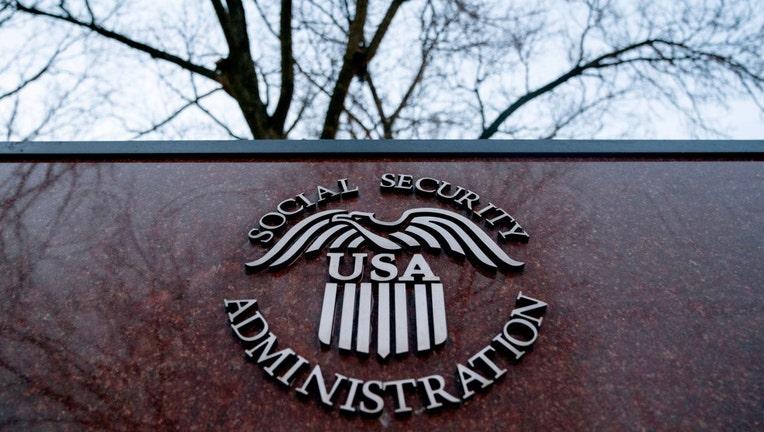
FILE-The seal of the US Social Security Administration outside the agency's headquarters in Woodlawn, Maryland, on Feb. 19, 2025. (Stefani Reynolds/Bloomberg via Getty Images)
The Social Security Administration and its Office of Inspector General issued a warning to retirees and the public about a rise in government impostor scam emails falsely claiming to provide access to a recipient's Social Security statement.
In a release from the Office of Inspector General, officials stated that clicking links in the email may lead to identity theft, financial loss, or compromised data.
RELATED: Proposal would limit Social Security benefits to $100K a year for wealthy couples
OIG officials noted in their release that official Social Security Administration messages originate from email addresses ending in ".gov." And these recent scam emails are created to appear authentic and use "official-looking language," logos, colors, and formatting to mislead Social Security recipients into clicking links or downloading attachments.
The agency added that once you click on the email, the links may install malware or direct victims to fake websites intended to steal personal and financial information.
How do these Social Security scams work?
Why you should care: Scammers will send a message to unsuspecting people that could include their name, a portion of their Social Security Number, or even a reference to benefits. FOX News noted that caller IDs can seem to match government offices, and emails or texts might follow the same format used in an official Social Security Administration message.
RELATED: Social Security full retirement age change for 2026: What you need to know
According to FOX News, the information comes from data that has already been part of data breaches. And when it appears in a message, the claim sounds consistent with what you already know about your own records.
What information are scammers seeking when they contact you?
Dig deeper: Social Security Administration officials noted that scammers specifically target sensitive information from unsuspecting victims:
- Full or partial SSN
- Date of birth
- Address, phone number
- Login credentials or verification codes
- Money and direct payments, including wire transfers, gift cards, and crypto currency)
- Access to bank or retirement accounts
- Instructions to "move money to protect it"
Once scammers obtain your information, officials note that they act swiftly to turn it into access, money, and long-term identity fraud.
SSA list four signs of a scam
Dig deeper: Social Security Administration officials explain on their website that there are four signs to be aware of with these scams, which are listed below:
- Scammers will pretend to be from an agency or organization you know to gain your trust.
- Scammers say there is a problem or a prize.
- Scammers pressure you to act immediately.
- Scammers tell you to pay in a specific way.
How can I avoid these SSA scams?
Big picture view: According to the Social Security Administration, if you receive a message from someone claiming to be from the agency, don't respond, don't click any links, and don't call the number in the message.
Furthermore, the SSA officials offer several options you can utilize to protect yourself from scams.
- Visit SSA.gov or use a verified phone number to check if there's an issue with your account.
- If you have already shared information, stop contact immediately and take note of what you shared. You can report the scam to the SSA Office of Inspector General at oig.ssa.gov/report.
- You can also file a report at IdentityTheft.gov, which helps create a record.
- You can also establish a fraud alert or credit freeze with Equifax, Experian, and TransUnion, and check your credit reports for any unfamiliar activity.
Last year, over 330,000 government impersonation complaints were reported to the Federal Trade Commission, representing a 25% spike from the year before, FOX News reported, referencing federal data.
The Source: Information for this story was provided by the Social Security Administration website and FOX News. This story was reported from Washington, D.C.