

Douglasville homeless camp provides structured shelter for men
Douglas County hosts legal 23-tent camp
Douglas County partnered with a church ministry to host Sheena Haven, a legal 23-tent transitional site on county property near the courthouse enforcing mandatory drug testing and curfews without taxpayer funding.
DOUGLAS COUNTY, Ga. - A structured tent community operating on county property near the local courthouse offers temporary shelter to men working to rebuild their lives after displacement.
What we know:
Located on Douglas County government property near the courthouse, Shinnah Haven operates as a 23-tent transitional village for men.
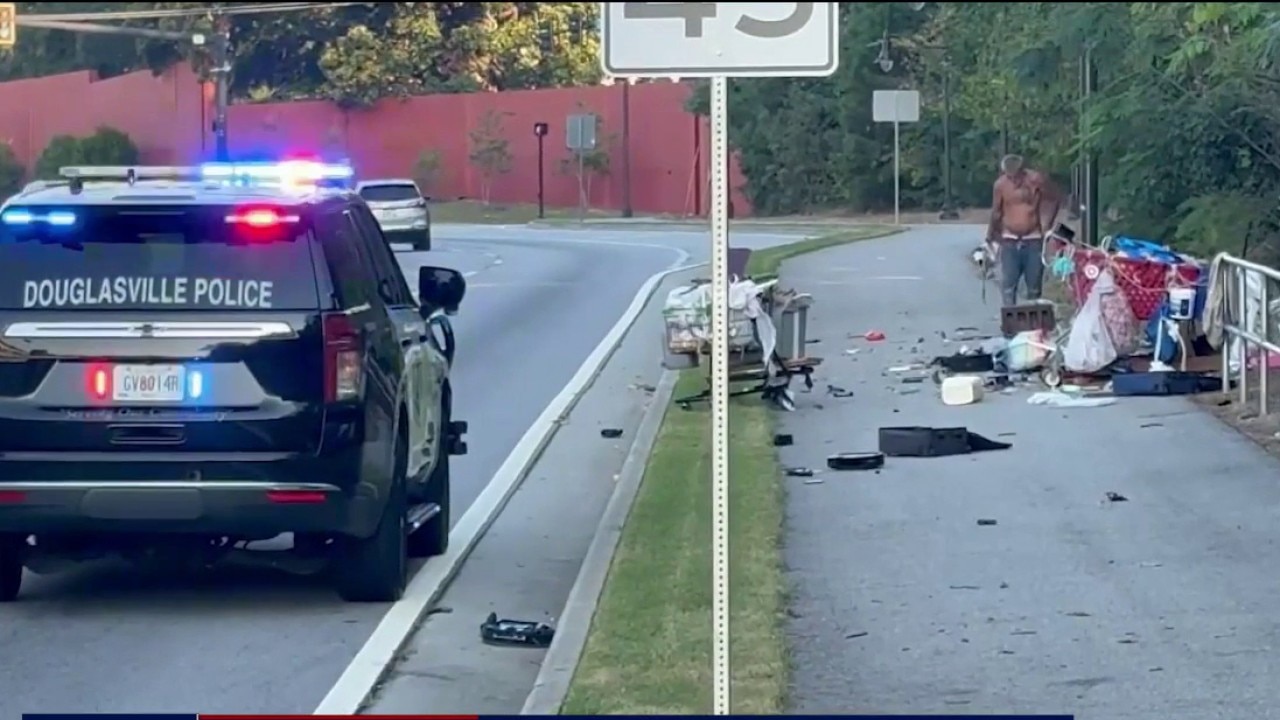
The site sits about a mile from an unapproved homeless encampment off Highway 92 that Douglasville Police recently cleared.
The Lutheran Church of the Good Shepherd Daily Bread Ministry has run the program for 10 years and at this site for three years.
Former Judge Beau McClain advocated on their behalf to county commissioners to set up the camp at it's current location.
McClain fought for the ministry, prompting commissioners to grant permission for the camp and allow portable restrooms on the property.
Program coordinator Leila Myers noted the camp's Hebrew name translates to "new beginnings" and is designed to build pride among residents.
Operating expenses reach $1,000 every month just to maintain portable restrooms and weekly trash pickup scheduled every Tuesday.
The backstory:
Unlike traditional homeless camps, Shinnah Haven does not take active mental health cases and enforces four pages of operational rules.
Residents face mandatory drug and alcohol testing alongside a strict curfew from 6 p.m. to 6 a.m., which only allows exceptions for verified jobs.
Myers requires every participant to have a defined plan to secure permanent housing.
Residents without active addictions who earn between $800 and $900 monthly receive assistance finding boarding house rooms and must transition out to free space for others.
Individuals receiving $1,000 a month in Social Security benefits are limited to a 60-day maximum stay while staff help locate housing.
Camp rules strictly prohibit littering, including discarding cigarette filters on the ground, with residents holding each other accountable to preserve safety.
What they're saying:
Myers emphasized that maintaining strict guidelines prevents the community from unraveling and ensures a safe, dignified living environment.
"It's hard, but you just have to have rules. And we have accountability within the guys when they come in. I said, these are the rules. I go over all the rules," Myers said. "If you do something wrong, they're going to tell me. And that's not reading on your brother. That's keeping the place for you. Live safe."
Myers added that the community fills a unique need for men coming out of jail or family conflicts, including a previous high school student.
"God must like what we're doing because he keeps giving me money," Myers said. "When you leave here, I want you to fly."
Local perspective:
Will Barker has lived at Shinnah Haven for three years while working to rebuild his life following repeated jail stays.
Because he was on probation, traditional emergency shelters were unavailable to him.
"I had nowhere else to go. This was about the only place I could go," Barker said.
Barker earns income by cutting lawns and is actively searching for steady employment to afford an apartment.
"It's taking time. I'm not going to lie," Barker said.
What we don't know:
County officials have not determined whether additional acreage or long-term lease agreements will be approved as the program expands.
Authorities have not confirmed where individuals displaced by the cleared Highway 92 encampment relocated.
The Source: The information in this story was gathered from on-site interviews with Daily Bread Ministry Program Coordinator Leila Myers, transitional resident Will Barker, and Douglas County government property and operational records.