

Atlanta gas hits $4 as prices surge nationwide
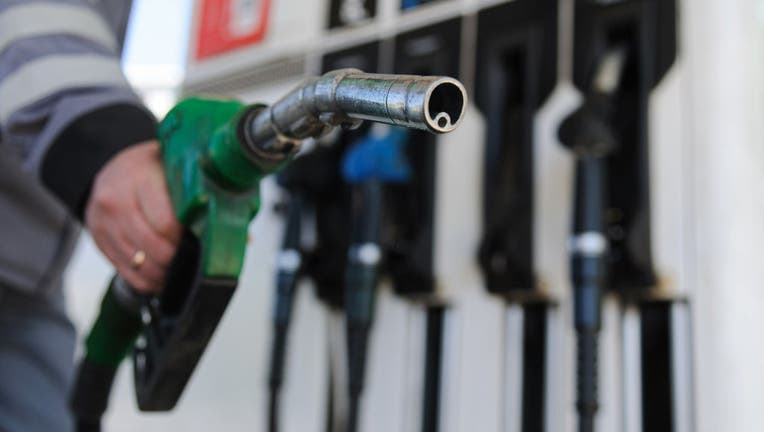
An attendant holds a gas pump at OKKO gas station. (Photo by Mykola Tys/SOPA Images/LightRocket via Getty Images)
ATLANTA - The days of $3-a-gallon gas are disappearing fast. Metro Atlanta's average has reached $4 a gallon as escalating conflicts overseas and disruptions to global oil supplies push fuel prices sharply higher.
What we know:
GasBuddy reported Monday that Atlanta's average jumped 12.3 cents in just a week to $4 a gallon. That's 17.1 cents higher than a month ago and $1.14 more than drivers were paying at this time last year.
AAA's separate daily survey puts metro Atlanta slightly higher at $4.03 and Georgia's statewide average at $4.02.
The national average is even higher. AAA reported Monday that regular gasoline is averaging about $4.32 a gallon nationwide, up from $4.15 a week ago and $3.18 a year ago.
A big change from last September
What we know:
The increase is especially noticeable when compared with recent years.
According to GasBuddy, Atlanta drivers were paying an average of $2.85 a gallon on Sept. 14, 2025. The average was $2.98 on the same date in 2024 and $3.50 in 2023.
Even with the latest surge, Atlanta remains below its record. AAA says the metro area's highest average for regular gasoline was about $4.55 a gallon, set June 15, 2022. Georgia's statewide record of roughly $4.50 was also set that month.
Diesel, however, is already in record territory. AAA puts Georgia's diesel average at about $6.29 a gallon and metro Atlanta's at $6.31.
Why prices are climbing
Dig deeper:
Gas prices normally begin easing around this time of year as summer travel ends and stations switch to less expensive winter-blend gasoline.
This year is proving different.
Patrick De Haan, GasBuddy's head of petroleum analysis, said gasoline and diesel prices increased in every state over the past week as several international developments disrupted energy markets.
Those include continued U.S.-Iran tensions, hostilities in the Red Sea, the shutdown of Saudi Arabia's East-West oil pipeline and attacks that knocked Russian refineries offline.
Crude oil has moved back above $100 a barrel as a result of the uncertainty.
Could gas go even higher?
What's next:
The direction of prices will depend heavily on what happens to crude oil supplies and the conflicts affecting major oil-producing regions.
Oil traders surveyed by Reuters see little prospect of a quick return to normal conditions in the Middle East. Some forecasts put crude near $100 a barrel next year if current conditions persist, while more severe disruptions could push prices toward $120. That would create additional upward pressure on gasoline prices.
The opposite is also possible. An easing of tensions or restoration of disrupted oil shipments could send crude and gasoline prices lower relatively quickly.
For now, analysts expect continued volatility rather than the typical fall decline in pump prices, according to FOX News.
Where gas costs the most — and least
Big picture view:
Drivers in Georgia are still paying less than motorists in several Western states.
California remains the country's most expensive gasoline market, with regular approaching $6 a gallon. Hawaii and Washington are also well above $5.
At the other end of the spectrum, Indiana has recently had the nation's cheapest statewide average, followed by states including Mississippi, Texas, Louisiana and Oklahoma.
That means drivers can encounter a difference of more than $2 a gallon depending on where they fill up in the United States.
There are also significant differences closer to home. GasBuddy reported prices ranging from $3.62 to $4.99 a gallon around Atlanta on Sunday. Across Georgia, reported prices ranged from $3.62 to $5.09.
That makes shopping around increasingly important as the average price once again moves into territory drivers haven't seen consistently since 2022.