

Civilian oversight of Atlanta police strengthened by new agreement
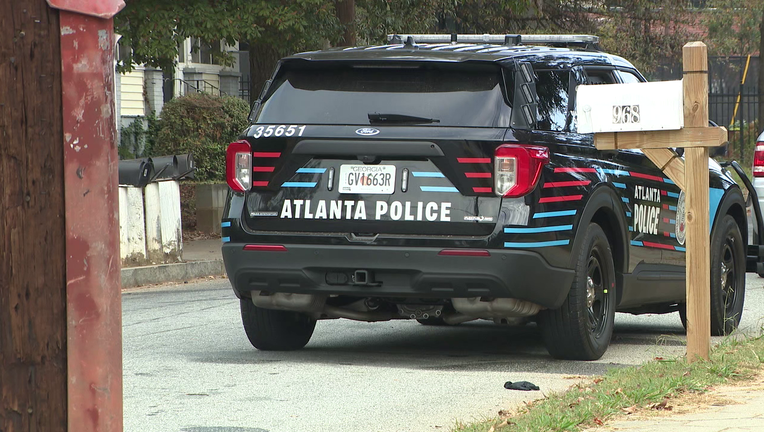
FILE PHOTO
ATLANTA - Mayor Andre Dickens has announced a landmark Memorandum of Understanding (MOU) between the Atlanta Police Department (APD), the Atlanta Citizens Review Board (ACRB), and the Mayor’s Office aimed at enhancing transparency, data sharing, and civilian oversight in cases of police use of force.
The agreement outlines a new framework for how APD and ACRB will collaborate on investigations involving officer-involved shootings, deaths and serious injuries in custody, and firearm discharges. It mandates swift notifications, improved data access, and clear timelines for sharing information and recommendations.
"This agreement reflects our shared commitment to accountability, transparency, and lasting, systemic change," said Mayor Dickens. "Most importantly, it helps rebuild trust between the government and the people we serve."
What we know:
Under the new MOU, APD must notify ACRB within 24 hours of any major incident, including officer-involved shootings and in-custody deaths. The department must also share related case files promptly once investigations close—unless restricted by a district attorney or pending appeals. ACRB, in turn, is required to provide its findings within three business days to APD, the Mayor’s Office, City Council, and relevant police oversight personnel.
"This MOU is about more than process, it’s about purpose," said APD Chief Darin Schierbaum. "We welcome the role of civilian oversight and look forward to continued partnership with the ACRB as we work together to strengthen public trust and ensure accountability."
The agreement also ensures that when final discipline differs from ACRB recommendations, APD must explain the rationale in writing.
The backstory:
The MOU follows years of calls from community groups and public officials for stronger accountability mechanisms following use-of-force incidents in Atlanta. Leaders from the APD and ACRB worked with the Mayor’s Chief Strategy Officer to develop a structure that supports both timely communication and meaningful oversight.
As part of the agreement, APD will invite ACRB staff to participate in police training sessions and provide lesson plans in advance. ACRB will also offer training to APD officers—including new recruits—on its oversight processes and complaint trends. Board members will attend the Citizens Police Academy, and the two agencies will jointly conduct specialized training every two years on complex investigations involving use of force and legal rights.
What's next:
Implementation meetings will follow to ensure the agreement is fully integrated into APD’s standard operating procedures. The two agencies have also committed to regular communication, including bi-weekly, monthly, and quarterly meetings to revisit and adjust the MOU as needed.
Disagreements between APD and ACRB leadership will follow a tiered resolution process, with unresolved issues eligible for review by a jointly selected reviewer—or, if needed, the City Council President.
What they're saying:
"This MOU represents a meaningful step forward in ensuring justice for victims of officer-involved shootings, in-custody deaths, and their families," said Samuel Reid III, Executive Director of the ACRB. "It reflects the ACRB’s unwavering commitment to independent citizen oversight and to building public trust in law enforcement."
City leaders believe the agreement will establish a more ethical, accountable, and responsive system of police oversight—while giving the ACRB the tools needed to carry out its mission effectively.